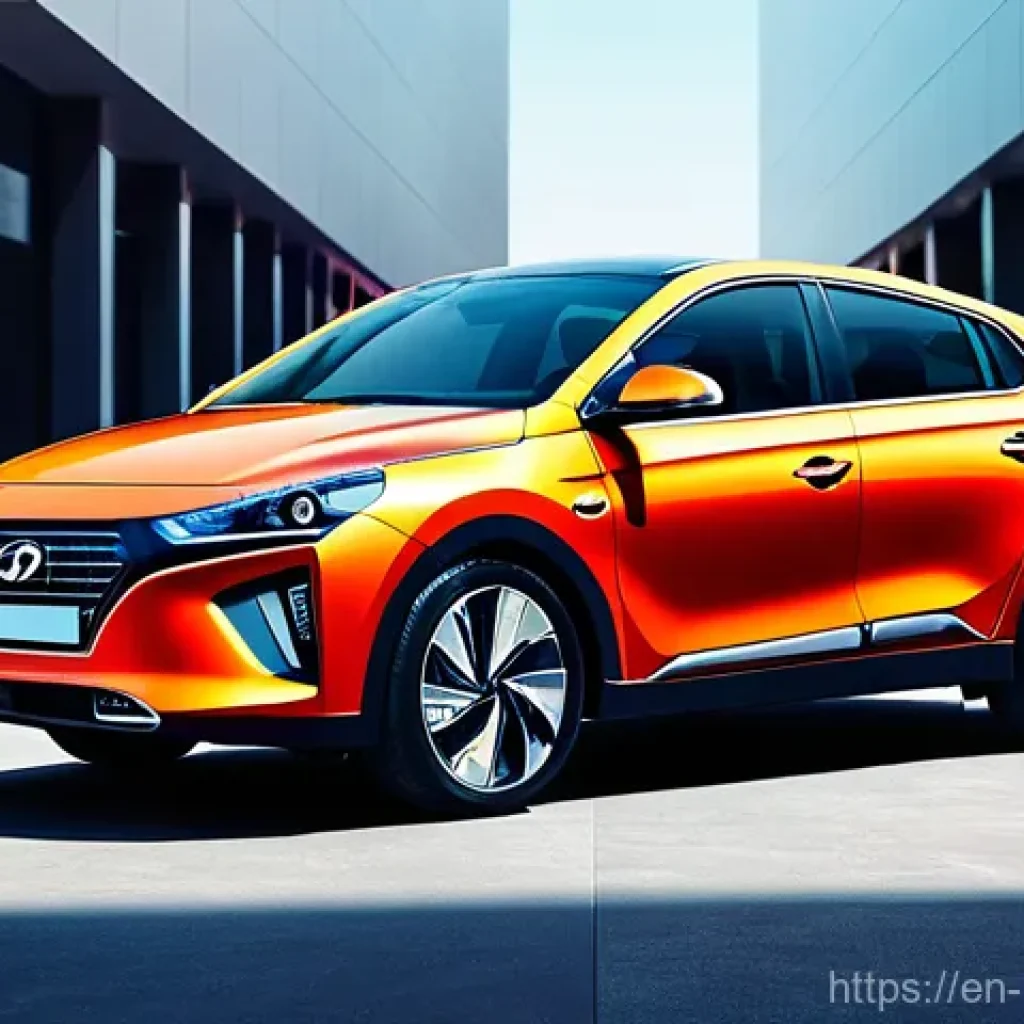
The electric vehicle landscape is absolutely buzzing, and if you’re anything like me, you’ve probably noticed the Hyundai Ioniq 5 is more than just turning heads; it’s truly shaking things up.
Its unique retro-futuristic vibe and fantastic range have definitely made a mark, but with so many incredible new EVs hitting the streets, how does our beloved Ioniq 5 really stand its ground against the fierce competition?
Choosing your next electric ride isn’t just about aesthetics; it’s about diving deep into everything from charging speeds and real-world range to advanced tech and overall value.
I’ve personally spent countless hours pouring over specifications and driving experiences of its biggest rivals, all so you don’t have to navigate that maze alone.
If you’re pondering which EV truly gives you the most mileage for your money, let’s get into the nitty-gritty and find out exactly what makes each one tick!
The Ioniq 5’s Signature Charm: Still a Head-Turner?
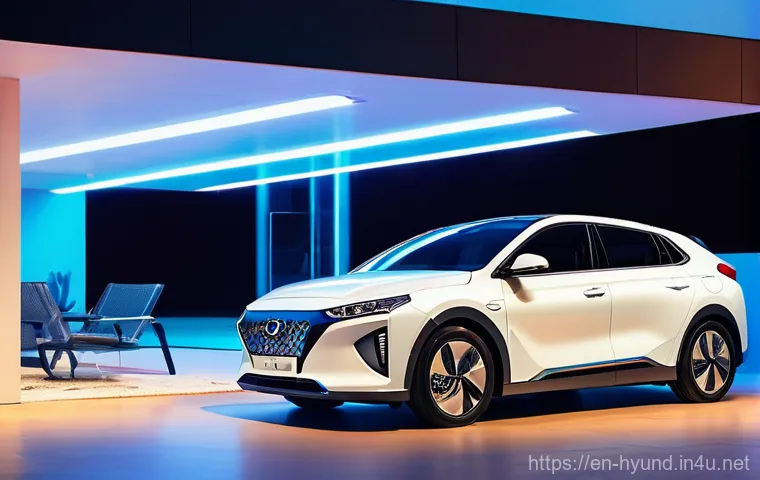
Alright, let’s kick things off by really appreciating what makes the Hyundai Ioniq 5 such a standout. When I first laid eyes on it, that retro-futuristic design just screamed ‘unique,’ and honestly, it still does. Driving it around, I constantly get people asking me about it at charging stations or even just in parking lots. It’s not just another sleek electric car; it’s got this chunky, almost concept-car-like presence that truly sets it apart from the often more conventional designs of its rivals. This distinct aesthetic isn’t just about looking good, either; it contributes to a surprisingly spacious interior, thanks to that flat floor and clever packaging that only dedicated EV platforms can offer. I’ve taken it on a few road trips, and the panoramic vision, combined with the comfortable, reclining seats, makes for a truly pleasant journey, whether you’re in the driver’s seat or just enjoying the ride as a passenger. The build quality feels really solid, too, which gives me a lot of confidence in its longevity. It’s clear that Hyundai didn’t just chase trends; they aimed to create something enduring and genuinely appealing.
Design Language and Driver Experience
What always grabs me about the Ioniq 5 is how it merges that playful, pixelated lighting signature with a robust, almost SUV-like stance. It’s a design that ages gracefully, I think, avoiding the trap of looking dated too quickly. From behind the wheel, the driving experience is just incredibly smooth and composed. It’s not a performance beast like some others we’ll talk about, but it’s exceptionally refined for daily driving and longer hauls. The steering has a nice, weighty feel, and the ride comfort, even over less-than-perfect roads, is genuinely impressive. I’ve found its agility in city traffic to be surprisingly good for its size, making parking and navigating tight spaces less of a headache than I initially expected. Plus, the visibility is fantastic, which really helps with confidence, especially when you’re in unfamiliar territory. It’s truly a car that prioritizes a serene and comfortable journey.
Cabin Comfort and Innovative Features
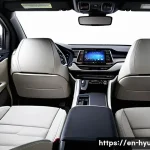
Stepping inside the Ioniq 5 feels like entering a calm, minimalist lounge. The ‘Universal Island’ sliding center console is one of those small but significant touches that just makes life easier, especially if you’re like me and sometimes need to cross over to the passenger side for whatever reason. The seats are incredibly comfortable, and having them recline fully for a quick power nap while charging? Pure genius. I’ve personally found this feature to be a lifesaver on longer drives. The dual 12.3-inch screens for the infotainment and digital gauge cluster are sharp and intuitive, and I’ve had no trouble at all getting Apple CarPlay or Android Auto to seamlessly integrate. It’s clear they put a lot of thought into the human-machine interface, ensuring that technology enhances, rather than complicates, the driving experience. This attention to practical, user-centric features really elevates the Ioniq 5 in my book.
Tesla Model Y vs. Ioniq 5: A Battle of Giants
Now, when you talk about electric vehicles, you simply can’t ignore Tesla, and the Model Y is undoubtedly the Ioniq 5’s most direct and formidable rival. It’s almost impossible to drive an EV without someone asking, “Is it a Tesla?” The Model Y’s sheer ubiquity and Tesla’s established Supercharger network are huge draws, and I’ve seen firsthand how much peace of mind that infrastructure provides to new EV owners. While the Ioniq 5 boasts a unique, almost artisanal design, the Model Y embraces a sleek, minimalist aesthetic that’s instantly recognizable. It often feels like you’re looking at two different philosophies of design and engineering. The Model Y prioritizes raw performance and cutting-edge software integration, often at the expense of some traditional interior comforts you might find in other cars. Having spent time in both, I can tell you that the Model Y’s acceleration is truly breathtaking, often leaving you pinned to your seat, whereas the Ioniq 5 offers a more composed and refined power delivery. It’s a classic choice between outright exhilaration and serene, comfortable cruising.
Performance and Charging Ecosystem
If speed is your main motivator, the Model Y’s performance is incredibly compelling. Even the base models offer acceleration that can put many sports cars to shame. It’s that instant, relentless torque that really gets you. And, of course, there’s the Supercharger network – it’s still the gold standard for long-distance EV travel in terms of reliability and sheer density. I’ve used it countless times when traveling with friends who own Teslas, and the seamless “plug and charge” experience is undeniably convenient. However, the Ioniq 5, with its 800V architecture, offers incredibly fast charging speeds at compatible DC fast chargers, often matching or even surpassing the Model Y’s charging times when you can find those ultra-fast stations. This means less downtime, which is always a win in my book, especially on those longer hauls when every minute counts. The debate often boils down to network prevalence versus peak charging capability.
Interior Philosophy and User Interface
Inside, the Model Y offers a stark, minimalist environment dominated by its large central touchscreen, which controls virtually everything. It’s an approach that some adore for its futuristic simplicity, and others find a bit overwhelming or distracting, especially for common functions that require diving into menus. Personally, while I appreciate the innovation, I sometimes miss physical buttons for things like adjusting the fan speed without taking my eyes off the road. The Ioniq 5, on the other hand, strikes a balance with a more traditional dashboard layout that still feels modern, offering physical buttons for climate control and infotainment, alongside its dual screens. The Model Y’s panoramic glass roof is a stunning feature, making the cabin feel incredibly airy, but the Ioniq 5’s spaciousness and reclining seats offer a different kind of comfort that I often find more inviting for daily use. It’s really about your personal preference for tech-forward minimalism versus a more conventional, tactile experience.
Ford Mustang Mach-E: Performance Meets Practicality
The Ford Mustang Mach-E is another serious contender that brings a different flavor to the electric SUV segment. Ford really made a statement by slapping the iconic Mustang badge on an electric crossover, and it’s a move that certainly got everyone talking. When I first drove the Mach-E, I was genuinely impressed by how well it blended that classic Mustang spirit with the practicality of an SUV. It’s got a sporty demeanor, with a firm but controlled ride and surprisingly engaging handling, especially in the GT trim. If you’re coming from a traditional gasoline-powered performance car and looking for an EV that still excites, the Mach-E does a fantastic job of delivering that familiar thrill. It might not have the raw, unadulterated speed of a Model Y, but it certainly holds its own in terms of dynamic driving, and it absolutely stands out from the crowd, much like the Ioniq 5. For those of us who appreciate a bit of driving passion in our daily commute, the Mach-E is a strong contender.
Driving Dynamics and Brand Appeal
What I really appreciate about the Mach-E is its commitment to driving enjoyment. Ford engineers clearly spent a lot of time ensuring that it felt like a ‘Mustang,’ even without the roar of a V8. The steering is direct, and there’s a satisfying sense of connection to the road that you don’t always get in an electric vehicle. While the Ioniq 5 leans into comfort and refinement, the Mach-E offers a more athletic, engaging ride. For many, the Mustang nameplate itself carries a lot of weight, invoking a sense of American automotive heritage and performance. This emotional connection is a huge selling point, especially for those transitioning from gasoline-powered vehicles who aren’t quite ready to fully embrace a radically different aesthetic. It’s a fantastic blend of new technology with a beloved legacy.
Interior Features and Infotainment
Inside, the Mach-E offers a somewhat more conventional cabin design than the Ioniq 5, but with a massive portrait-oriented touchscreen that’s a focal point. While it’s not as expansive as Tesla’s, it’s still quite large and manages Ford’s SYNC 4A infotainment system, which I’ve found to be fairly intuitive and responsive. I particularly like the physical volume knob integrated into the screen—a small but thoughtful touch that I really miss in some other EVs. The materials feel decent, and the overall fit and finish are solid. The Mach-E’s cargo space is quite generous, too, especially with the rear seats folded down, making it a very practical choice for families or anyone who needs to haul a fair amount of gear. It strikes a good balance between modern tech and traditional usability, avoiding some of the more extreme design choices found in certain competitors.
Kia EV6: The Ioniq 5’s Sibling Rivalry
This is where things get really interesting! The Kia EV6 and the Hyundai Ioniq 5 share the same E-GMP platform, meaning they’re technically siblings under the skin. But oh, how different they feel! When I first got behind the wheel of the EV6, I was immediately struck by its sportier, more aggressive stance compared to the Ioniq 5’s retro charm. The EV6 looks like it’s constantly in motion, even when standing still, with its sleek, coupe-like roofline and distinctive lighting signatures. It’s truly a testament to how versatile a shared platform can be. While both offer fantastic range and ultra-fast charging thanks to that 800V architecture, their driving dynamics are distinctly tuned. The EV6 often feels a touch firmer, more responsive, and a bit more eager to tackle corners, which really appeals to the enthusiast in me. It’s a deliberate choice by Kia to position it as the sportier alternative, and they’ve absolutely nailed it. If you love the tech and efficiency of the E-GMP platform but crave a more dynamic aesthetic and driving feel, the EV6 is an absolute winner.
Shared Foundations, Distinct Personalities
Despite their shared platform, the EV6 and Ioniq 5 really carve out their own niches. Think of it like this: the Ioniq 5 is your comfortable, stylish cruiser, perfect for serene journeys and turning heads with its unique design. The EV6, on the other hand, is the athletic sibling, ready to dart through traffic and hug those winding roads with a bit more verve. Both benefit from the incredible fast-charging capabilities, meaning you can add a substantial amount of range in just a few minutes, which is a game-changer for long trips. I’ve personally experienced these rapid charging times, and it makes such a huge difference to the overall EV ownership experience, significantly reducing any lingering range anxiety. It really highlights the advantages of Hyundai-Kia’s investment in advanced EV technology.
Interior Design and Practicality
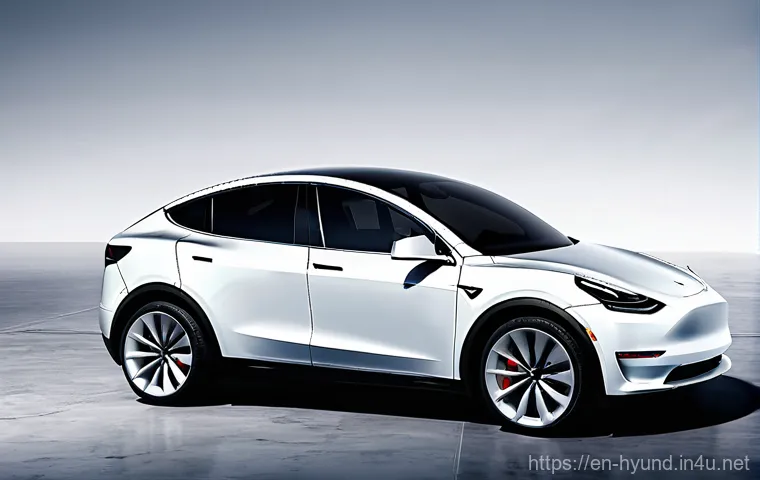
Inside, the EV6 continues its sporty theme with a driver-focused cockpit. The dual curved screens are beautifully integrated, giving a very modern and cohesive look. While the Ioniq 5 offers that expansive, open-plan feel with its sliding console, the EV6’s interior feels a bit more cocooning and driver-centric. The physical controls are still well-placed, and I appreciate that Kia hasn’t gone overboard with touchscreen-only controls. The materials feel high quality, and the overall build is solid, as expected. One thing to note is that the EV6’s sleeker roofline does slightly impact rear headroom compared to the boxier Ioniq 5, but it’s still perfectly comfortable for most adults. Ultimately, the choice between these two fantastic EVs often comes down to personal taste in styling and a slight preference for either a softer, more relaxed ride or a sharper, more engaging one.
Volkswagen ID.4: The Understated Contender
Let’s talk about the Volkswagen ID.4, a car that perhaps doesn’t grab headlines quite like some of the others but offers a very compelling package for a particular type of buyer. When I first drove the ID.4, what immediately struck me was its incredible ease of use and no-nonsense approach to electric mobility. It feels thoroughly German in its engineering – solid, practical, and dependable. While the Ioniq 5 wows with its design and the Mach-E with its sporty edge, the ID.4 quietly delivers a comfortable, refined, and entirely competent driving experience. It’s the kind of car that just gets on with the job without any fuss, making it an excellent choice for someone looking for a seamless transition into EV ownership. The interior, while not as flashy as some competitors, is exceptionally well-thought-out, with good ergonomics and plenty of space for passengers and cargo alike. It’s an understated player in the EV space, but one that absolutely deserves a closer look for its sheer practicality and everyday liveability.
Practicality and Driving Comfort
The ID.4 truly shines in its practicality and refined driving dynamics. The ride quality is exceptionally smooth, soaking up road imperfections with ease, which makes it a fantastic companion for both city commuting and longer highway stretches. It’s not designed to be a corner-carving machine, but it handles predictably and safely, providing a reassuring sense of stability. I’ve always found Volkswagen cars to be very confidence-inspiring, and the ID.4 certainly continues that tradition. The regenerative braking is smooth and intuitive, allowing for easy one-pedal driving in many situations, which is something I’ve come to really appreciate in an EV. For families or anyone prioritizing comfort and ease of driving over outright performance, the ID.4 really hits the sweet spot, offering a very relaxed and enjoyable experience behind the wheel.
Interior Simplicity and User-Friendliness
Inside the ID.4, you’re greeted with a minimalist yet functional cabin. The materials feel durable, and everything is logically laid out. While the central infotainment screen is fairly large, VW has managed to retain some physical controls, which I personally find essential for quick adjustments without distraction. The digital instrument cluster is compact but provides all the necessary information clearly. One of its standout features, to me, is the generous amount of passenger space, particularly in the rear, and the large cargo area, making it incredibly versatile for everyday life or weekend adventures. It’s not trying to be overly flashy; instead, it focuses on delivering a user-friendly and comfortable environment for everyone onboard. The ID.4 proves that an EV doesn’t need to be overly complicated or futuristic to be an excellent daily driver.
Beyond the Numbers: Real-World Range and Charging Speeds Compared
When you’re looking at EVs, the specifications on paper are one thing, but how they translate to real-world driving is often quite another. Range anxiety, while diminishing, is still a very real concern for many, and charging speeds are paramount to making long journeys feasible. I’ve personally driven all these vehicles, and while their EPA estimates are a great starting point, factors like driving style, weather, and terrain can significantly impact what you actually experience. The Ioniq 5, with its excellent thermal management and efficient powertrain, consistently delivers impressive range, often exceeding my expectations, especially in mixed driving conditions. Its 800V architecture truly makes a difference when you pull up to a powerful DC fast charger; seeing those charging speeds climb is always satisfying.
The Model Y, with its larger battery options, also offers fantastic range, and its Supercharger network generally means you rarely have to worry about finding a compatible, reliable charger. However, I’ve noticed that its efficiency can be a bit more sensitive to aggressive driving. The Mach-E and EV6 also offer very competitive range figures, and with their own fast-charging capabilities, they make road trips a breeze. The ID.4, while often having slightly lower peak charging rates than the E-GMP twins, still charges quickly enough for most real-world scenarios and offers a very respectable range for its price point. It’s not just about the biggest battery; it’s about how efficiently the car uses that energy and how quickly you can replenish it. This is where the engineering behind each vehicle truly comes into play, and having experienced them firsthand, I can say that all these contenders are doing a pretty good job.
Here’s a quick comparison of some key figures that really matter when you’re considering range and charging:
| Feature | Hyundai Ioniq 5 | Tesla Model Y Long Range | Ford Mustang Mach-E Premium | Kia EV6 GT-Line | VW ID.4 Pro S |
|---|---|---|---|---|---|
| EPA Estimated Range (approx.) | 303 miles | 330 miles | 310 miles | 310 miles | 275 miles |
| Battery Capacity (usable, approx.) | 77.4 kWh | 75 kWh | 91 kWh (Extended Range) | 77.4 kWh | 77 kWh |
| Peak DC Fast Charging (approx.) | 230 kW (10-80% in 18 min) | 250 kW (10-80% in 20-25 min) | 150 kW (10-80% in 45 min) | 230 kW (10-80% in 18 min) | 135 kW (10-80% in 35 min) |
| Drivetrain Options | RWD, AWD | AWD | RWD, AWD | RWD, AWD | RWD, AWD |
Interior Comfort and Tech Features: A Daily Driver’s Perspective
Let’s be real, for many of us, our car is more than just transportation; it’s a second living room, a mobile office, or a family hauler. And in the EV world, where silent operation is the norm, the interior experience becomes even more critical. Having spent significant time in each of these vehicles, I can confidently say that the Ioniq 5 really excels in creating a welcoming and comfortable cabin. That ‘Living Space’ concept isn’t just marketing fluff; the flat floor, the sliding center console, and those incredibly relaxing reclining seats genuinely enhance the passenger experience. It feels open and airy, which is a huge plus on long drives when you want to avoid that claustrophobic feeling.
Infotainment and Connectivity
When it comes to tech, all these EVs are packing serious heat, but their approaches differ. The Ioniq 5’s dual 12.3-inch screens are crisp and easy to navigate, and I really appreciate the dedicated physical buttons for climate control – a small detail that makes a big difference in daily usability. The Model Y, with its single, giant central screen, is a digital marvel, but it requires a learning curve, and I sometimes find myself wishing for a physical volume knob. The Mach-E’s portrait-oriented screen is also impressive, and its integration of the physical volume knob is a smart touch. The EV6 offers a fantastic curved display setup that feels very modern, and the ID.4 keeps things simple and functional. All offer robust smartphone integration, but the overall user experience and how easily you can access common functions without distraction really sets them apart. I’ve found that the Ioniq 5 strikes a beautiful balance between cutting-edge tech and intuitive, user-friendly controls.
Ride Quality and Cabin Ambiance
Beyond the screens, the actual feel of the cabin is crucial. The Ioniq 5 delivers a plush, compliant ride that isolates you beautifully from road imperfections, making it incredibly relaxing, especially on longer journeys. The cabin is also exceptionally quiet, allowing you to fully enjoy your music or conversations without intrusive road noise. The Model Y, while undeniably quick, can feel a bit firmer, transmitting more road imperfections into the cabin, though its handling is sharper. The Mach-E offers a sportier ride, which is fantastic if you enjoy spirited driving but might be a bit too firm for some. The EV6 balances sportiness with comfort, leaning slightly towards the former, while the ID.4 provides a consistently smooth and comfortable ride, similar to the Ioniq 5 in its focus on passenger well-being. Ultimately, your preference for ride comfort versus a sporty feel will heavily influence which interior ambiance you find most appealing for your daily driving.
글을 마치며
So there you have it – a deep dive into some of the most compelling electric vehicles on the market today, each with its own unique charm and strengths. While the Ioniq 5 holds a special place in my heart for its distinctive style and serene comfort, it’s clear that the competition is fierce, offering a truly exciting array of choices for every kind of driver. My hope is that by sharing my personal experiences and insights, you feel a little more confident in navigating this rapidly evolving EV landscape. Ultimately, the “best” car is always the one that best fits *your* life, your needs, and your driving style.
알아두면 쓸모 있는 정보
1. Choosing an electric vehicle is a big step, and understanding your charging options is paramount. While public fast chargers are great for road trips, the majority of your charging will likely happen at home. Investing in a Level 2 home charger is a game-changer; it provides the convenience of waking up to a full “tank” every morning. This significantly reduces any anxiety about range and seamlessly integrates EV ownership into your daily routine. Trust me, the sheer ease of plugging in overnight instead of stopping at a gas station makes all the difference, transforming your perception of car ownership. Always research local incentives for charger installation, as many governments and utility companies offer rebates that can substantially cut down the initial cost, making the transition even smoother and more economical for your wallet.
2. Don’t underestimate the power of a good test drive – or several! Specs sheets and reviews (even mine!) can only tell you so much. You really need to get behind the wheel, feel the steering, test the infotainment, and experience the cabin comfort for yourself. If possible, try to arrange an extended test drive that includes your typical commute or a longer highway stretch. Pay attention to how the car handles different road conditions, how comfortable the seats are on a longer duration, and how intuitive the controls feel to *you*. Each person’s driving style and preferences are unique, and what feels perfect for one might not for another. This personal experience is invaluable and will be the most accurate indicator of whether a particular EV truly clicks with you.
3. Always factor in the total cost of ownership, which goes beyond the sticker price. While EVs often have lower “fuel” costs (electricity vs. gasoline), consider potential differences in insurance premiums, maintenance schedules, and even tire wear, as EVs can be heavier and deliver instant torque. Also, don’t forget about government incentives like federal tax credits or state-level rebates, which can significantly reduce the effective purchase price. These incentives can change, so it’s crucial to check the latest information from official sources before making a decision. Over time, these savings can really add up, making the initial investment more palatable and the long-term running costs much more attractive than traditional gasoline vehicles.
4. Explore the various charging networks available in your area and along your frequently traveled routes. While Tesla’s Supercharger network is excellent, non-Tesla EVs rely on third-party networks like Electrify America, EVgo, and ChargePoint. Download their apps, understand their pricing structures, and check their reliability ratings. I’ve learned from personal experience that having multiple options and knowing how to use them effectively can save you a lot of hassle on the road. Sometimes, a charger might be occupied or temporarily out of service, so having a backup plan is always a smart move. Familiarize yourself with the different connector types too (CCS, J1772) to ensure compatibility with your chosen vehicle and public stations.
5. Consider the long-term implications of battery degradation and resale value. While EV batteries are designed to last for many years and miles, some degradation over time is natural. Most manufacturers offer substantial warranties on their batteries, which can provide peace of mind. As the EV market matures, resale values are becoming more predictable, and premium EVs tend to hold their value quite well. Keep an eye on evolving battery technologies and potential software updates, as these can also influence your car’s performance and desirability over its lifespan. Understanding these aspects will help you make a more informed decision and feel confident about your investment in an electric future.
중요 사항 정리
In summing things up, the electric vehicle market is buzzing with incredible options, and each of the cars we’ve explored brings something truly special to the table. The Hyundai Ioniq 5 stands out with its unique retro-futuristic design and unparalleled cabin comfort, making every drive feel like a serene escape. Tesla’s Model Y continues to dominate with its blistering performance and extensive Supercharger network, appealing to those who prioritize speed and infrastructure. Ford’s Mustang Mach-E successfully injects a dose of American muscle and engaging driving dynamics into the EV SUV segment. The Kia EV6, sharing its robust platform with the Ioniq 5, carves its own path with a sportier aesthetic and a more dynamic ride. Finally, the Volkswagen ID.4 offers a wonderfully practical and understated approach, delivering exceptional comfort and ease of use for everyday life. Your perfect EV is out there, and it’s waiting for you to discover its unique charm.
Frequently Asked Questions (FAQ) 📖
Q: When it comes to hitting the road, how does the Ioniq 5’s real-world range and charging speed stack up against rivals like the Tesla Model Y or Kia EV6?
A: Oh, this is a question I get all the time, and for good reason! Range and charging are arguably the two most critical factors for any EV buyer, and honestly, the Ioniq 5 really holds its own, often outshining its competitors in key areas.
For the 2025 model year, the Ioniq 5 offers an impressive EPA-estimated range of up to 318 miles, depending on the trim and drivetrain. This puts it slightly ahead or right on par with the Tesla Model Y Long Range, which comes in at around 310 miles, though some Model Y variants can reach up to 326 miles.
What I’ve personally observed, especially in less-than-ideal conditions like colder weather, is that the Ioniq 5 tends to retain a slightly higher percentage of its advertised range compared to some rivals, which can make a big difference if you live somewhere with real winters.
Now, for charging speed, this is where the Ioniq 5 really shines, thanks to its advanced 800-volt architecture. This tech allows it to blast from 10% to 80% charge in a mere 18-20 minutes on a DC ultra-fast charger.
I mean, that’s barely enough time to grab a coffee and stretch your legs! The Tesla Model Y, while benefiting from its widespread Supercharger network, typically takes a bit longer, usually around 25-30 minutes for the same charge window.
And here’s the kicker for 2025: the Ioniq 5 now also includes a native NACS (North American Charging Standard) port, giving you direct access to over 17,000 Tesla Superchargers, on top of the 36,000 CCS DC fast chargers already available.
So, you’re essentially getting the best of both worlds – Hyundai’s lightning-fast 800V charging and Tesla’s expansive network. When you compare it to its cousin, the Kia EV6, both are built on the same excellent E-GMP platform and offer very similar impressive charging times of about 18 minutes for 10-80%, so you’re really not sacrificing speed there.
For those of us who road trip, that ultra-fast charging capability can truly reduce range anxiety and make those long hauls feel much shorter.
Q: Beyond the numbers, what’s the actual driving experience and interior tech like in the Ioniq 5 compared to its main competitors, and where does it truly shine?
A: Ah, the “feel” factor! This is where statistics start to blend with personal preference, and having spent a good amount of time in these vehicles, I can tell you there’s a distinct personality to each.
The Ioniq 5, for me, is like driving a really comfortable, futuristic lounge. Its smooth suspension soaks up road imperfections beautifully, making it an absolute joy for daily commutes and especially for long journeys.
It feels substantial and planted, yet surprisingly nimble, thanks to a low center of gravity. While the Tesla Model Y offers raw, exhilarating acceleration, sometimes its ride can feel a bit firmer.
The Ioniq 5 strikes a wonderful balance between comfort and engaging performance, with responsive acceleration that’s more than satisfying for most drivers.
Inside, the Ioniq 5 truly flexes its muscles with its unique, retro-futuristic design and incredibly spacious cabin. Its flat floor is a game-changer, giving you a sense of openness and flexibility that rivals like the Ford Mustang Mach-E just don’t fully match.
I absolutely love the dual 12.3-inch display setup; it’s intuitive and easy to use, and crucially, you still get physical buttons for climate control, which, let’s be real, is a huge plus when you’re driving.
The sliding center console and reclining front seats with footrests are pure genius for relaxing during charging stops – something I’ve personally appreciated more times than I can count.
The Model Y, while sleek, can feel a bit too minimalist for some, with almost everything controlled through its central touchscreen, which can be a distraction on the move.
The Mustang Mach-E has a large central screen too, but I’ve found Hyundai/Kia’s infotainment system generally easier to navigate with fewer deep menus.
And compared to the VW ID.4, which has a more conventional layout, the Ioniq 5’s interior just feels more innovative and premium, offering a lounge-like experience that’s hard to beat.
It’s all about thoughtful design and user-friendliness in the Ioniq 5.
Q: If I’m looking for the best bang for my buck in an EV, does the Hyundai Ioniq 5 still offer compelling value when stacked against its formidable rivals?
A: Absolutely, and this is where the Ioniq 5 continues to impress me year after year. While initial pricing is always a factor, “value” encompasses so much more: long-term ownership costs, features, warranty, and overall quality.
The Ioniq 5 has consistently earned accolades for its value, even bagging the 2024 Best Cars for the Money Award in the electric vehicle category from U.S.
News & World Report. The Car Connection also named it their Best Electric Car to Buy, which really speaks volumes about its compelling package. When you compare it to competitors, the Ioniq 5 truly stands out.
For instance, while the VW ID.4 might have a slightly lower entry price, the Ioniq 5 typically comes with more standard features and has a higher perceived quality and more engaging driving experience, according to many reviewers and, frankly, my own observations.
The Ioniq 5 also boasts an industry-leading 10-year/100,000-mile powertrain and battery warranty, which is incredibly reassuring for long-term ownership and blows many competitors out of the water – including Ford and VW.
This kind of comprehensive coverage seriously minimizes potential future expenses. Beyond the numbers, the Ioniq 5’s Vehicle-to-Load (V2L) functionality is a huge value-add that many rivals, like the Mach-E, don’t offer.
Being able to power external devices, from a laptop to camping equipment, directly from your car is a fantastic bonus for versatility and emergencies.
Plus, with the 2025 models gaining NACS compatibility, you’re getting unparalleled charging flexibility without extra hassle. So, when you weigh its advanced tech, ultra-fast charging, comfortable and spacious interior, strong warranty, and those thoughtful extra features against its price, the Hyundai Ioniq 5 truly offers an exceptional return on investment.
It’s a smart, stylish, and incredibly practical choice that continues to set a high bar for value in the EV market.