Hey there, fellow wanderlusters! Have you ever found yourself scrolling through endless travel blogs, dreaming of hitting the open road and truly experiencing the freedom of ‘van life’?
It’s a movement that’s captured so many hearts, mine included, but what if I told you there’s a surprisingly stylish and incredibly practical new contender turning heads in the DIY camper conversion scene?
I’m talking about the Hyundai Staria! This isn’t just another minivan; its distinctive, futuristic design actually provides an amazing blank canvas for creating your ultimate mobile sanctuary.
From cozy weekend escapes to adventurous cross-country expeditions, the Staria offers a unique blend of comfort and versatility that’s perfect for transforming your travel dreams into a stunning reality.
I’ve personally been so impressed with the innovative ways people are customizing these, and honestly, the results are just jaw-dropping. Ready to see how you can unlock its full potential?
Let’s dive right into making your dream Staria camper a reality!
Transforming the Staria: Maximizing Your Mobile Canvas
Smart Layouts for Ultimate Versatility
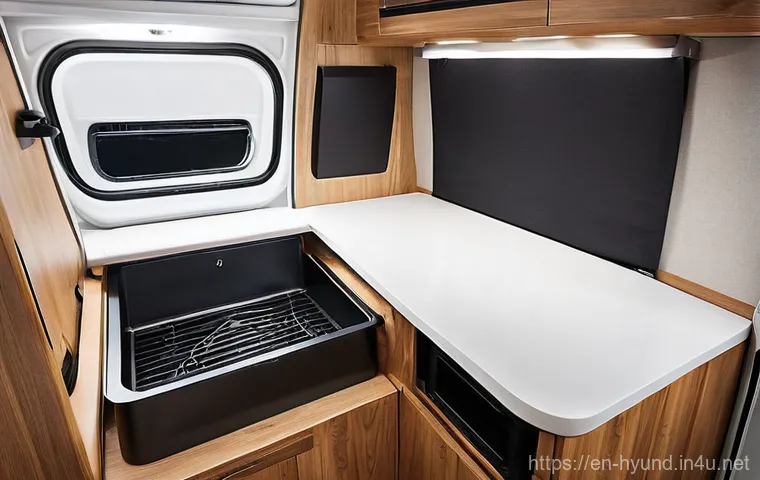
Okay, so you’ve got this gorgeous Hyundai Staria sitting there, right? The first thing that blew me away when I started looking into these was just how much usable space they actually have, despite their sleek exterior. It’s like a magic trick! When you’re planning your camper conversion, the layout is absolutely everything. You want to make sure every inch serves a purpose, but without making it feel cramped. I’ve seen some incredible designs that really make the most of the Staria’s generous headroom and flat floor. Think about a modular approach: a bed that converts into a sofa, or a table that folds away neatly when you don’t need it. This isn’t just about saving space; it’s about making your environment adaptable to whatever your day throws at you, whether you’re working remotely, cooking up a storm, or just chilling with a good book. I’ve personally experimented with a few different layouts in my own van builds, and I can tell you, the Staria’s wide interior really opens up possibilities you just don’t get with smaller vehicles. Don’t be afraid to think outside the box here; removable furniture, swivel seats, and even clever pop-up elements can totally redefine your living area. It’s all about creating a flow that feels intuitive and spacious, even in a compact footprint. For example, positioning a small galley kitchen near the sliding door can be a game-changer for outdoor cooking, keeping smells out of your sleeping area and making cleanup a breeze. Every decision you make about the layout will directly impact how much you love living in your Staria, so take your time, sketch it out, and even use cardboard cutouts to visualize your perfect mobile home.
Clever Storage: Every Nook and Cranny Counts
After you’ve nailed down your main layout, the next big hurdle is storage – and trust me, it’s a big one in any tiny home on wheels. In a Staria, you’ve got some fantastic opportunities thanks to its unique shape. I always say, if you can’t see it, it’s not cluttering your space! Think about under-bed drawers, overhead cabinets that hug the ceiling (those curved Staria walls can be tricky but totally worth it), and even hidden compartments beneath your floor panels. One ingenious trick I learned is utilizing the space behind the rear seats, or even building a platform bed that allows for massive storage underneath for larger items like camping gear, recovery equipment, or extra water tanks. Vertically mounted storage on doors or sidewalls can also be a lifesaver for smaller items like spices, toiletries, or books. My top tip? Go through everything you plan to bring and ask yourself if it truly serves multiple purposes or brings you immense joy. If not, it probably doesn’t deserve a spot in your Staria sanctuary. Custom-built cabinets often fit the best and look the most seamless, but there are also plenty of off-the-shelf modular storage solutions that can work wonders. Remember, a tidy van is a happy van, and smart storage is the secret sauce to maintaining that peaceful vibe on the road, no matter how long your adventure lasts. It makes coming home to your Staria feel like a relief, not a chore.
Powering Your Staria: Essential Electrical Systems for Off-Grid Adventures
Building a Robust Solar and Battery Setup
Let’s talk power, because without it, your ‘van life’ dreams can quickly turn into a nightmare! One of the absolute cornerstones of a successful Staria camper conversion, especially if you’re hoping to spend any significant time off-grid, is a reliable electrical system. And for me, that always starts with solar. The Staria’s large, relatively flat roof provides a decent canvas for solar panels, allowing you to harvest that glorious sunshine to charge your leisure batteries. I’ve found that even a modest 200-300W setup can make a huge difference in keeping your lights on, your fridge cold, and your devices charged. When you’re choosing your batteries, lithium-ion (LiFePO4) are definitely worth the investment if your budget allows; they’re lighter, last longer, and can be discharged more deeply than traditional lead-acid batteries. Connecting everything through a proper charge controller (MPPT is the way to go for efficiency) and an inverter for your AC appliances is crucial. I’ve personally made the mistake of underestimating my power needs in early builds, leading to frustrating moments where my coffee maker wouldn’t run. Learn from my experience: map out every appliance you plan to use, calculate its wattage, and then factor in a buffer. It’s better to have a little too much power than not enough, trust me. There’s nothing quite like the feeling of waking up in a remote spot, knowing your Staria is self-sufficient and running smoothly on renewable energy. It truly unlocks a new level of freedom.
Shore Power and Charging On The Go
While solar is fantastic, it’s not always enough, especially during cloudy stretches or when you’re parked up at a campground. That’s where shore power and a DC-to-DC charger come into play. Having the option to plug into a standard 120V or 240V (depending on your region) electrical hookup at an RV park or even at a friend’s house can be a real lifesaver. It allows you to quickly top off your batteries and run high-draw appliances without draining your leisure system. I always recommend installing a robust shore power inlet with a circuit breaker for safety – don’t skimp on electrical components! But what about when you’re driving? This is where a good DC-to-DC charger connected to your Staria’s alternator becomes invaluable. It intelligently charges your leisure batteries while you’re driving, meaning every mile you cover is also topping up your power reserves. I’ve driven countless miles across the country, and knowing that my batteries are getting a healthy charge every time I hit the road gives me incredible peace of mind. It means less reliance on always finding sunshine and more freedom to explore. Integrating these different charging methods creates a truly resilient electrical system, ensuring you’re never left in the dark, no matter where your Staria takes you. Planning for these contingencies upfront saves a lot of headaches down the line.
Crafting Your Mobile Kitchen: Culinary Adventures Aboard Your Staria
Compact and Functional Galley Design
Alright, foodies, this one’s for you! For many, myself included, a good meal on the road is just as important as the destination itself. Building out a functional yet compact kitchenette in your Staria can be one of the most rewarding parts of the conversion process. You don’t need a huge space to create culinary magic, but you do need smart design. I’ve found that a small countertop area, maybe 2-3 feet long, with a sink and a single or double burner stove, is often more than enough. The key here is to think about efficiency and multi-purpose use. A removable induction cooktop, for instance, means you can cook inside or take it outside on a warm evening. For water, a small 5-gallon fresh water tank and a grey water tank are usually sufficient for a few days, especially if you’re mindful of water usage. I personally love having a hand pump faucet to conserve power. When designing, remember to leave enough space for food prep – even a small pull-out cutting board can make a world of difference. Having a dedicated spot for your basic cooking utensils and spices will also make you feel right at home. I once tried to just use a camp stove outside my van for a whole trip, and let me tell you, cooking in the rain is not fun. A proper indoor setup, even a minimalist one, elevates the entire experience and makes those rainy days much more enjoyable.
Refrigeration and Food Storage Essentials
Keeping your ingredients fresh on the road is crucial, especially if you’re planning longer trips or enjoy cooking with fresh produce. Forget those old-school ice chests; a proper 12V compressor fridge/freezer is an absolute game-changer. Yes, they’re an investment, but they are incredibly efficient and will save you money in the long run by preventing food spoilage. I wouldn’t do a van build without one now! When choosing, consider how much food you typically carry and how long you want to go between grocery runs. A 40-50 liter unit is often a sweet spot for solo travelers or couples. Beyond the fridge, think about smart pantry storage. I use clear, stackable containers to keep non-perishable goods organized and prevent them from rattling around while driving. Don’t forget about ventilation for your fridge if it’s built into a cabinet; proper airflow is essential for its efficiency. I’ve learned the hard way that a poorly ventilated fridge works twice as hard and drains your battery faster. Keeping snacks and dry goods easily accessible but securely stored is also key. There’s nothing worse than opening your cabinet after a bumpy road to find your oats have exploded everywhere! A well-thought-out food storage system makes every meal prep a breeze and truly enhances the joy of cooking and eating on your Staria adventures.
Comfort Zones: Creating Your Staria Sleeping and Living Oasis
Designing Your Perfect Sleep Setup
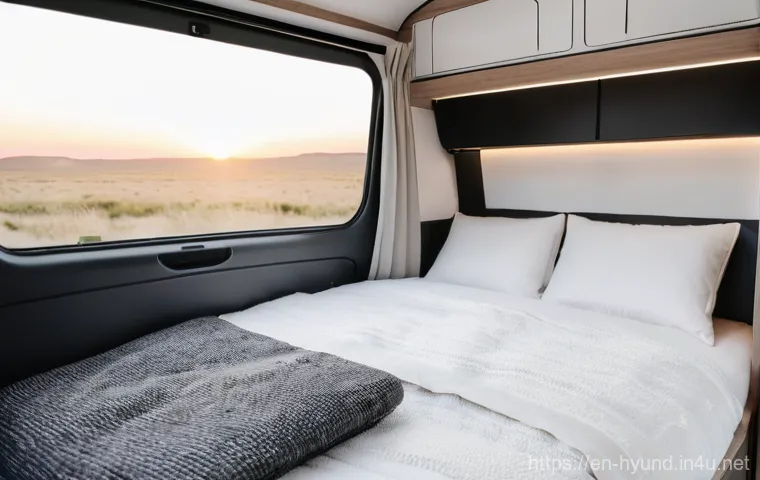
Let’s be honest, after a long day of exploring, a comfortable bed is non-negotiable. Your sleeping arrangement in the Staria needs to be a true sanctuary. Given the Staria’s interior dimensions, you have some fantastic options, from fixed beds to convertible setups. For me, a permanent bed, if space allows, is the ultimate luxury because you don’t have to set it up every night. Think about a custom-cut memory foam mattress – it’s a game-changer for restful sleep on the road. If space is tight, a convertible dinette that transforms into a bed is a popular and practical choice. I’ve built a few of these, and the trick is to make the conversion process as seamless and quick as possible. You don’t want to wrestle with cushions and panels every night! Consider the height of your bed platform; higher platforms allow for more storage underneath, while lower ones offer more headroom. I once built a bed that was a little too high, and sitting up comfortably was impossible – a rookie mistake I won’t repeat! Factor in lighting (warm LEDs are my favorite), privacy curtains, and good ventilation around your sleeping area. Having windows that open or a roof fan nearby makes a huge difference, especially on warmer nights. A good night’s sleep truly makes or breaks your travel experience, so invest time and thought into making your Staria bed the most comfortable spot on Earth.
Cozy Nooks and Multi-Functional Spaces
Your Staria isn’t just a bed on wheels; it’s your home! And just like any home, you want comfortable spaces to relax, work, and simply exist. Beyond the bed, think about how you can create distinct ‘zones’ within your compact space. A small seating area, even just a single swivel seat, can be a fantastic addition, allowing you to face outwards and enjoy the view or simply have a dedicated spot to read or enjoy a cup of coffee. I personally love having a small table that can serve as a workstation during the day and a dining table in the evening. Pull-out tables or ones that mount on a rail system are incredibly versatile. Don’t underestimate the power of good lighting to create ambiance – string lights, puck lights, and task lighting can transform the feel of your interior. Textures and soft furnishings, like cozy blankets, throw pillows, and even a small rug, can make your Staria feel much more inviting and less like a utility vehicle. I remember one build where I added a tiny reading nook with a dedicated light; it became my favorite spot! These little touches make your Staria feel truly personal and contribute significantly to your overall well-being and happiness on the road. It’s about creating a space that feels like a warm hug after a day of adventure.
Essential Gear and Smart Accessories for Your Staria Camper
Must-Have Tools and Safety Equipment
Hitting the open road in your Staria camper is an exhilarating experience, but being prepared for anything is key to truly enjoying the freedom. Beyond your basic conversion, there’s a whole world of essential gear that can make your travels safer, smoother, and more comfortable. I always carry a comprehensive roadside emergency kit, complete with jumper cables, a tire repair kit, and a basic tool set. You never know when you might need to tighten a loose bolt or deal with a minor issue. A good first-aid kit is also non-negotiable – minor scrapes and bumps happen, especially when you’re adventuring outdoors. For safety, a fire extinguisher and a carbon monoxide detector are absolute must-haves, providing peace of mind whether you’re cooking or just sleeping. I also recommend having a reliable navigation system, even if you primarily use your phone. Dedicated GPS devices often work where cell service doesn’t, which can be a lifesaver in remote areas. Don’t forget essential fluids for your vehicle, like extra oil and coolant, especially before a long trip. I’ve been in situations where a simple flat tire or an unexpected leak could have ruined a trip if I wasn’t prepared. Having these items on hand not only keeps you safe but also empowers you to handle minor issues yourself, saving time and money on the road.
Maximizing Your Outdoor Living Space
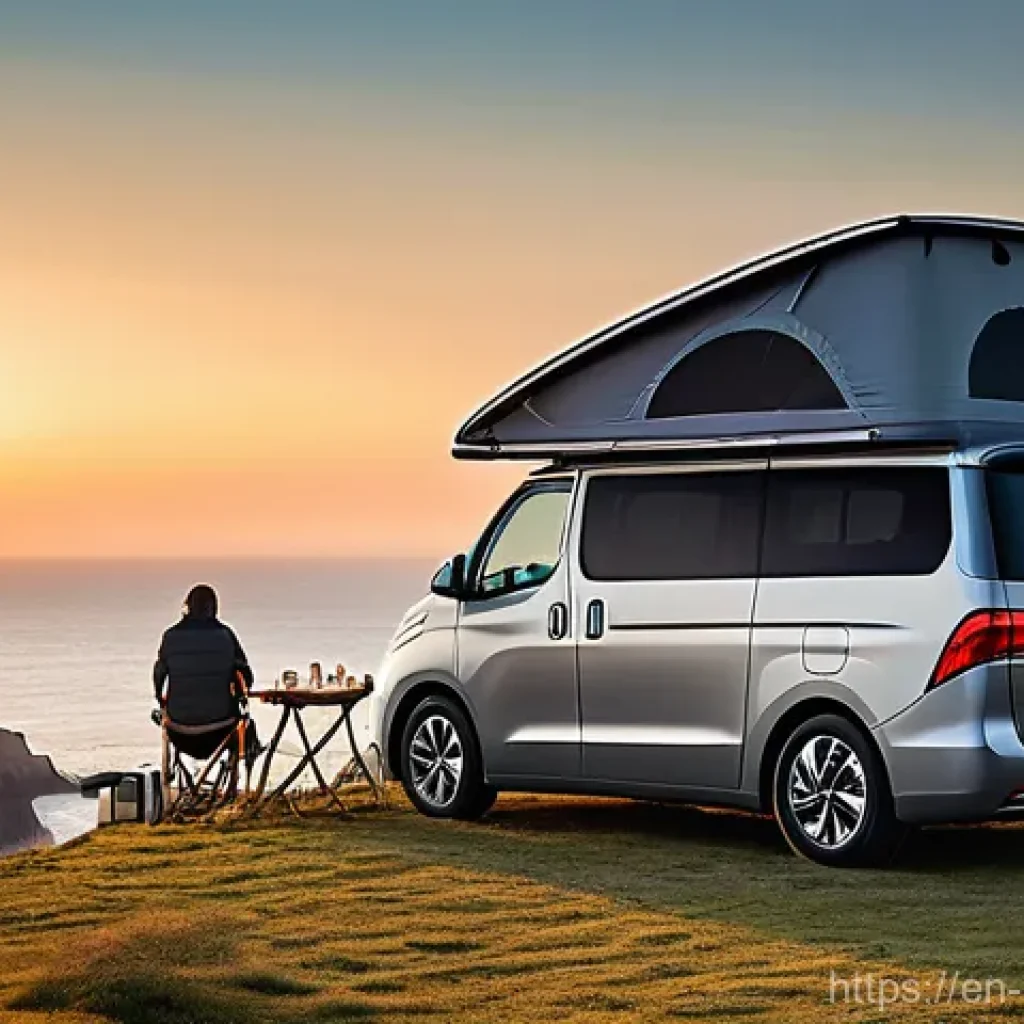
One of the best parts of van life is connecting with the outdoors, and your Staria can be the perfect base camp. Expanding your living area beyond the interior walls is crucial for enjoying sunny days and starry nights. An awning is arguably one of the best investments you can make. It provides instant shade and shelter from light rain, transforming the area beside your van into a comfortable outdoor lounge or dining space. I personally love models that are easy to deploy and retract. Think about outdoor seating too – compact, foldable chairs and a small table are indispensable. I always keep a small ground mat or rug that I can lay out under the awning; it makes the space feel more inviting and keeps dirt out of the van. For cooking outdoors, a portable grill or a small camp stove can be fantastic, allowing you to whip up meals al fresco. Don’t forget about outdoor lighting – string lights or a portable lantern can create a magical ambiance after dusk. I’ve had some of my most memorable meals and conversations sitting under the stars beside my van, and these accessories really make those moments possible. It’s about blending your indoor comforts with the beauty of nature, creating a seamless experience that truly defines the spirit of van life. These simple additions elevate your Staria from just a vehicle to a true adventure companion.
Connectivity and Entertainment: Staying Connected on the Road
Reliable Internet for the Digital Nomad
For many of us, myself included, the freedom of van life also means the ability to work from anywhere. And for that, reliable internet isn’t just a luxury; it’s a necessity. Setting up your Staria with a robust connectivity solution is paramount if you plan on being a digital nomad or simply want to stay in touch with loved ones. I’ve explored various options, and typically, a combination works best. A dedicated mobile hotspot with a data-only SIM card is a fantastic starting point, offering more stable and faster speeds than tethering from your phone. Many providers offer specific plans for these devices. For more remote areas, a cellular booster can dramatically improve your signal strength, turning a weak signal into a usable one. I’ve personally been in situations where a booster saved my workday in the middle of nowhere! For true off-grid connectivity, satellite internet solutions are becoming more accessible and affordable, though they still represent a more significant investment. The key is to test your setup before you head out on a long trip. Knowing you have a dependable internet connection allows you to truly embrace the ‘work from anywhere’ lifestyle without the constant stress of dropped calls or slow uploads. It gives you the freedom to chase sunsets without sacrificing your career or social connections.
Entertainment Systems for Down Time
After a day of hiking, exploring, or working, unwinding in your Staria with some entertainment is the perfect way to recharge. While the great outdoors offers its own kind of entertainment, sometimes you just want to kick back with a movie or some music. A small, wall-mounted TV or even a portable projector can turn your Staria into a mini-cinema. I’ve seen some really clever setups where projectors shine onto a pull-down screen or even directly onto a white interior wall! For audio, a good quality Bluetooth speaker is a no-brainer, allowing you to enjoy your tunes inside or out. Many modern head units also offer Apple CarPlay or Android Auto, making navigation and audio control seamless. Don’t forget about having a good selection of offline content – downloaded movies, music, and podcasts – for those times when internet access is sparse or non-existent. I always load up my tablet with books and shows before heading out to remote areas. Having these options ensures that whether you’re parked up in a bustling city or a serene wilderness, you’ll have plenty of ways to relax and enjoy your downtime. It’s about making your Staria feel like a true home, complete with all the comforts you cherish, even when you’re miles away from civilization. It transforms a simple vehicle into a cozy, personal retreat.
Budgeting and Planning Your Staria Conversion: Smart Financial Steps
Estimating Your Conversion Costs
Embarking on a Staria camper conversion is an incredibly exciting journey, but let’s be real: it also involves some financial planning. One of the biggest questions I get asked is, “How much does it actually cost?” And the honest answer is, it varies wildly! But with some smart budgeting, you can create your dream van without breaking the bank. Start by breaking down your conversion into major categories: insulation, electrical, plumbing, carpentry, and appliances. Research the average costs for each component, from solar panels and batteries to wood for your cabinets and your fridge. I always recommend adding a 10-15% buffer to your total estimate for unexpected expenses – because trust me, they *will* pop up! Are you doing all the work yourself, or will you be hiring professionals for certain tasks like electrical wiring? DIY saves a ton on labor but requires more of your time and effort. I’ve personally found that sourcing materials smartly, looking for sales, and even considering quality used components can significantly cut down costs without sacrificing functionality. It’s a bit like building a house, but on a smaller, more mobile scale. Getting clear on your budget upfront helps you make informed decisions throughout the build and prevents that sinking feeling of overspending. Remember, this is an investment in your lifestyle and freedom, so approaching it with a clear financial plan makes the whole process much more enjoyable and less stressful.
Common Conversion Components and Estimated Costs
To give you a clearer picture, I’ve put together a quick overview of some common components and their approximate cost ranges. Keep in mind these are just estimates and can fluctuate based on brand, quality, and where you purchase them. This table should give you a good starting point for mapping out your own Staria conversion budget. I always encourage people to prioritize the essentials first – a solid electrical system and a comfortable bed – and then build out from there as budget allows. You can always upgrade things later! For example, you might start with a simpler water system and upgrade to a larger tank or an on-demand hot water heater down the line. Don’t feel pressured to do everything at once. My first van was very basic, and I slowly added features over time as I learned what I truly needed and wanted. This iterative approach can make the project feel more manageable both financially and in terms of effort. Focus on getting the core functionality right, and then let your adventures inspire the next additions to your rolling home. Building your Staria camper is a journey, not just a destination, and enjoying the process, including the financial planning, is part of the fun.
| Component Category | Estimated Cost Range (USD) | Key Considerations |
|---|---|---|
| Insulation & Soundproofing | $300 – $1,000+ | Material type (foam board, wool, Thinsulate), DIY vs. professional install |
| Electrical System (Solar, Battery, Inverter, Charger) | $1,500 – $5,000+ | Battery capacity (LiFePO4 vs. AGM), solar panel wattage, inverter size |
| Water System (Tank, Pump, Sink, Faucet) | $300 – $1,200+ | Fresh and grey water tank sizes, manual vs. electric pump, water heater needs |
| Kitchen Appliances (Fridge, Stove) | $500 – $2,500+ | 12V compressor fridge, induction cooktop vs. propane stove |
| Bed Frame & Mattress | $200 – $1,000+ | Fixed vs. convertible, custom foam mattress, materials for frame |
| Cabinetry & Storage | $500 – $3,000+ | DIY vs. pre-made units, material quality (plywood, lightweight composites) |
| Lighting & Ventilation | $150 – $800+ | LED puck lights, roof fan (Maxxair), ventilation grills |
| Exterior Add-ons (Awning, Roof Rack) | $400 – $2,000+ | Manual vs. electric awning, type of roof rack for solar/gear |
Personalizing Your Staria: Unique Touches and Finishing Details
Interior Aesthetics: Making it Truly Yours
Once you’ve got the bones of your Staria conversion in place, it’s time for the really fun part: making it truly feel like *you*. The interior aesthetics are where your personality can truly shine. Don’t be afraid to experiment with colors, textures, and decorative elements that bring you joy. I’ve seen Starias transformed with everything from rustic wood paneling to sleek, minimalist white interiors. Think about the mood you want to create: warm and cozy, bright and airy, or adventurous and rugged? Fabric choices for cushions, curtains, and even wall coverings can make a massive difference. For curtains, I personally love blackout materials for privacy and temperature control, but also something stylish that complements the interior. Adding personal touches like art prints (securely mounted, of course!), photos, or even a small plant (succulents are great for van life!) can make your mobile home feel incredibly inviting. I remember meticulously choosing every fabric and finish for my own build, and the satisfaction of stepping inside and feeling completely at home was just unparalleled. It’s these little details that transform a functional space into a beloved sanctuary, reflecting your unique style and making every moment spent in your Staria a delight.
Clever Gadgets and Comfort Upgrades
Beyond the core conversion, there are countless gadgets and comfort upgrades that can elevate your Staria living experience. These aren’t always essential, but they can significantly enhance your day-to-day life on the road. Think about small but mighty additions like a portable espresso maker for your morning brew, a compact outdoor shower for those sandy beach days, or even a tiny wood-burning stove for ultimate coziness in colder climates (with proper ventilation and safety, of course!). USB charging ports strategically placed throughout the cabin are a godsend for keeping all your devices topped up. A good quality portable fan or a small heater can make a big difference in regulating interior temperatures. I’ve found that even something as simple as a magnetic spice rack or a dedicated hook for my keys makes daily life smoother. These are the “nice-to-haves” that often become “can’t-live-without-thems.” My advice is to live in your Staria for a bit after the initial build, and you’ll quickly discover what little luxuries or conveniences would truly make your experience even better. It’s all about continuous improvement and tailoring your space to perfectly fit your evolving needs and desires. Every clever gadget and comfort upgrade contributes to making your Staria not just a camper, but a truly optimized and joyful mobile retreat.
Wrapping Up Your Staria Adventure
And there you have it, fellow adventurers! Transforming your Hyundai Staria into a personalized camper isn’t just a build project; it’s an embarkation on a journey of discovery, both for your creative spirit and for the open road ahead. What I’ve learned from countless hours of planning, building, and living in my own custom vans is that every single decision, from the layout to the smallest gadget, weaves together to create a unique mobile sanctuary. The Staria, with its generous space and modern design, truly offers a fantastic canvas for your dreams. I hope this deep dive has sparked your imagination and given you the confidence to roll up your sleeves and start crafting your ultimate freedom machine. Remember, the goal isn’t just a finished product, but the incredible memories you’ll make along the way.
Handy Tips for Your Staria Build
Here are a few nuggets of wisdom I’ve picked up that I really wish someone had told me when I first started out:
1. Start Small and Prioritize: Don’t feel like you need to do everything at once. Focus on the essentials first—a comfortable bed and reliable power—and then gradually add other features as your needs evolve and your budget allows. It makes the project less overwhelming.
2. Test Everything Before Finalizing: Seriously, test your electrical system, your water connections, and even your bed setup before you commit to permanent installations. It’s much easier to fix things early on than tearing everything apart later.
3. Embrace Modularity and Multi-purpose Design: Space is a premium in a van, so think about furniture that transforms, storage that hides away, and items that serve multiple functions. This will make your Staria feel much more spacious and adaptable.
4. Budget for the Unexpected: Always, and I mean *always*, add a buffer to your conversion budget. Things will come up that you didn’t anticipate, and having that extra cushion will save you a lot of stress and last-minute scrambling.
5. Connect with the Van Life Community: Seriously, there are so many incredible resources online, from forums to social media groups, where you can find inspiration, troubleshooting tips, and even make new friends. Don’t be afraid to ask for help or share your progress!
Key Takeaways for Your Staria Conversion
Ultimately, a successful Staria camper conversion boils down to a few core principles: a well-thought-out layout maximizes every inch, a robust electrical system provides true off-grid freedom, and a functional kitchen enhances your culinary adventures. Don’t forget the importance of comfort in your sleeping and living areas, and always prioritize safety with essential gear. Smart budgeting and a clear understanding of costs will keep your project on track, while personalizing your space with unique touches is what truly makes your Staria feel like home. Embrace the journey, enjoy the process, and get ready for the unparalleled freedom of life on the road!
Frequently Asked Questions (FAQ) 📖
Q: Is the Hyundai Staria really suitable for a full camper conversion, or is it better for simpler setups?
A: Okay, this is a question I get all the time! When you first see the Staria, its sleek, almost spaceship-like exterior might make you think it’s all style and less substance for a serious camper.
But let me tell you, I’ve been absolutely blown away by its potential. While it truly shines for those weekend warrior setups with just a comfy bed and a small galley, the Staria’s surprisingly generous interior space, especially with its impressive boot length of over 240 cm and tall interior after removing passenger seats, makes it a fantastic candidate for a much more comprehensive conversion.
I’ve personally seen folks integrate fully functional kitchens, cozy dining areas that convert into beds, and even clever little shower solutions. It’s not a full-sized sprinter van, sure, but for a minivan-based camper, it punches way above its weight.
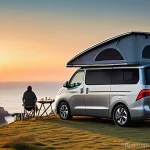
Its unique design gives you a surprisingly usable footprint, allowing for incredibly creative layouts that feel far more spacious than you’d expect. In fact, Hyundai even has a factory-produced “Lounge Camper” version in some markets, complete with a pop-top roof and a sink, which really shows just how much potential these vans have!
So, whether you’re dreaming of a minimalist sleep-and-go setup or something with all the comforts of home on wheels, the Staria genuinely has the bones to make it happen.
It’s truly a versatile chameleon!
Q: What are some of the unexpected challenges or best features you’ve personally encountered when converting a Staria?
A: Oh, where do I even begin with this one? Having dove deep into the Staria conversion world myself, there are definitely a few things that stand out. On the ‘challenge’ side, its distinctive, futuristic body shape, while gorgeous, can actually be a bit tricky when it comes to fitting standard off-the-shelf camper components.
You might find yourself needing to do a bit more custom cutting or shaping, especially around those expansive windows – which, ironically, is also one of its best features!
Also, navigating the vehicle’s electrical system requires a bit of patience and maybe a professional touch if you’re not confident, as it’s quite advanced.
And sometimes, those luxurious original passenger seats, while comfortable, take up valuable space that needs to be factored into your storage plans. But honestly, the ‘best features’ absolutely outweigh these minor hurdles.
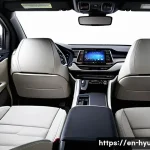
First off, those massive windows? They flood the interior with natural light and offer incredible panoramic views – seriously, waking up to a sunrise in a Staria feels like being in a glass observatory!
The smooth, car-like drive is another huge plus; long distances just melt away. And the sheer amount of headroom, even for taller folks, is a game-changer compared to many other minivans.
Plus, the overall modern aesthetic inside and out means your finished camper feels less like a DIY project and more like a high-end, custom-built boutique mobile home.
It’s those little moments of comfort and design flair that really make the Staria conversion experience special.
Q: How much can I expect to spend on a Staria camper conversion, and are there ways to save money?
A: This is the million-dollar question, isn’t it? Or, more accurately, the several-thousand-dollar question! The truth is, the cost of a Staria camper conversion can vary wildly.
From my experience, if you’re handy and willing to put in the elbow grease for a solid DIY build with quality but not necessarily high-end components (think a comfortable bed, basic kitchen, and some smart storage), you’re probably looking at somewhere in the range of $3,000 to $8,000.
For comparison, some modular conversion kits start around €2,000 to €5,000, which is fantastic for getting started without breaking the bank. Now, if you’re eyeing a professional conversion or one of the full-spec factory camper versions, those can easily run into the tens of thousands, with some factory models priced well over $40,000.
For saving money, my biggest piece of advice is to embrace the DIY spirit as much as possible! Every hour you spend on it yourself saves on labor costs.
Scour online marketplaces for used camping gear, like portable refrigerators, solar panels, or even ready-made cabinetry that you can adapt. Repurpose materials where you can – maybe that old dresser can become part of your kitchen galley!
And be smart about your power setup; a basic battery system with a small solar panel can be much more budget-friendly than a complex, multi-battery lithium setup, especially if you’re mostly doing weekend trips.
Remember, you don’t have to build your dream van all at once; many people start with the essentials and upgrade over time. It’s all about making your adventure accessible!