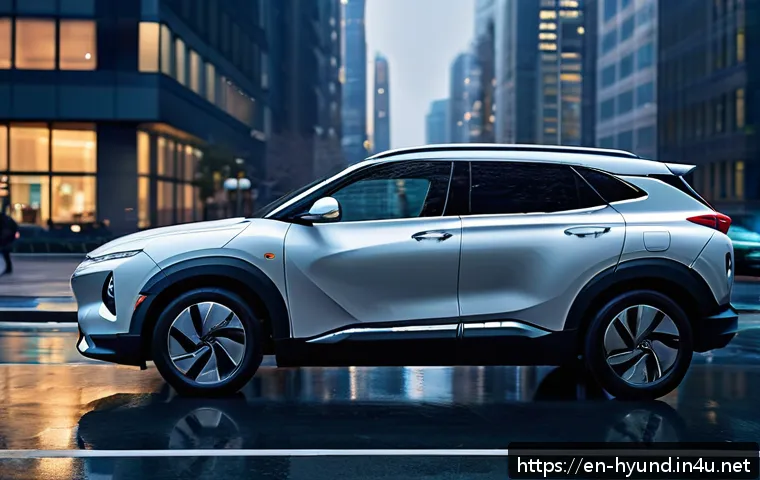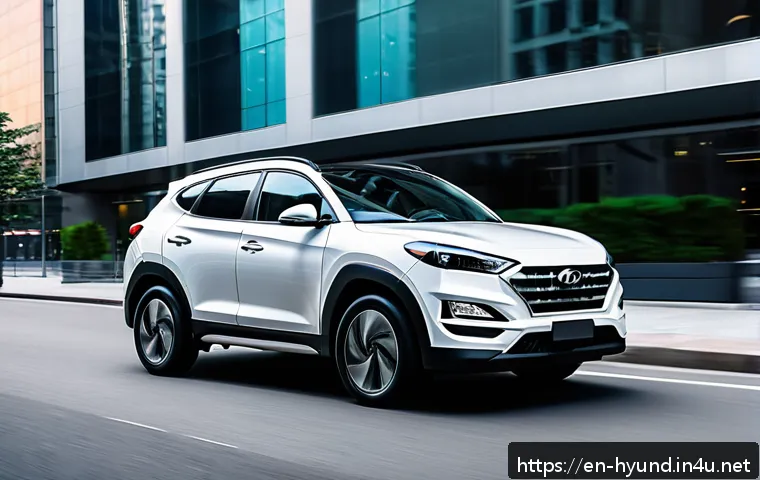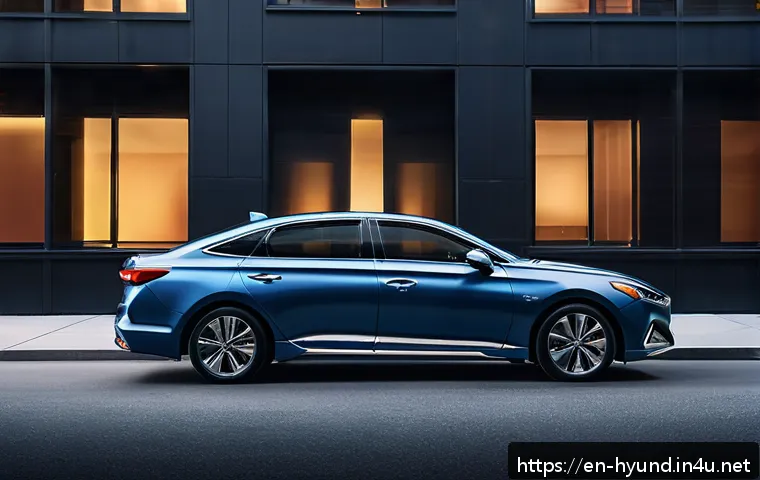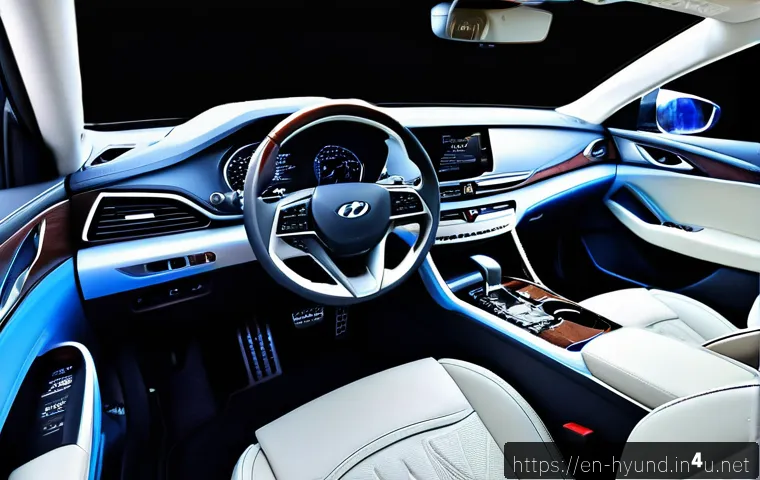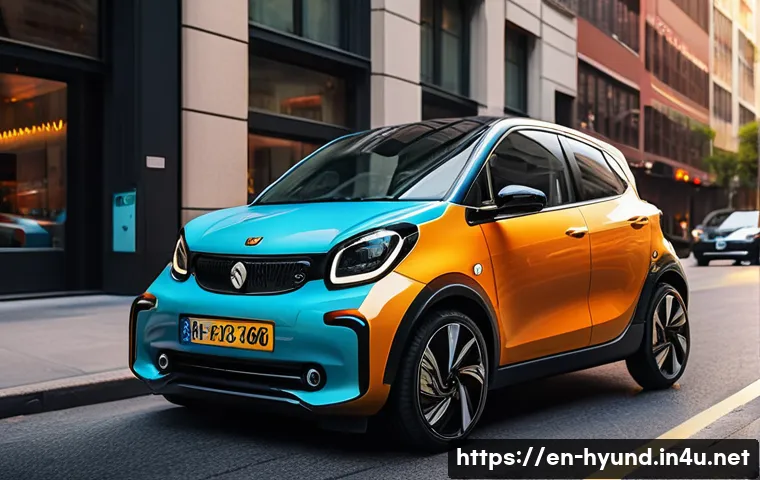
When it comes to compact city cars, two models often catch the eye: Hyundai Casper and Kia Ray. Both offer unique designs and features tailored for urban driving, making them popular choices among city dwellers.
But which one truly stands out in terms of performance, comfort, and value? Whether you prioritize fuel efficiency, interior space, or tech upgrades, understanding their differences is key.
I’ve taken a close look at both, and the insights might surprise you. Let’s dive in and explore what makes each of these tiny titans tick!
Distinctive Design and Urban Appeal
Exterior Styling That Commands Attention
When you first set eyes on these two city cars, the design cues instantly tell different stories. One leans toward a quirky, futuristic vibe with sharp edges and bold lines, while the other opts for a boxier, more practical silhouette that screams functionality over flash.
From my experience, the compact footprint of both vehicles makes them ideal for tight city streets, but the choice of styling can reflect your personality—whether you want to stand out with a playful look or prefer the understated charm of a traditional city runabout.
It’s fascinating how design influences not just aesthetics but also perceived size and presence on the road.
Color Options and Customization
Both models offer a range of vibrant colors and two-tone roof options that allow owners to personalize their ride. I found the customization options surprisingly extensive for such small cars, which is a huge plus if you want your vehicle to feel unique in a sea of standard hues.
The paint finishes are durable and resistant to minor scratches, which is a relief given the frequent urban parking scrapes that come with city life. These details might seem minor, but they contribute significantly to overall satisfaction and pride of ownership.
Practicality in Compact Dimensions
Despite their small size, both cars make clever use of space to maximize usability. The vertical rear windows and short overhangs improve visibility, which is a godsend when navigating crowded streets or parallel parking.
The slightly raised ride height on one model also adds a bit more confidence when tackling potholes or uneven pavement. In everyday use, I appreciated how both cars managed to balance compactness with a surprisingly roomy feel inside, making city driving less stressful and more enjoyable.
Powertrain and Fuel Efficiency Insights
Engine Options and Performance Feel
Under the hood, these cars pack small but efficient engines designed for city commuting rather than highway bursts. One offers a turbocharged variant that provides a peppier response, perfect for zipping through stop-and-go traffic without feeling sluggish.
The other sticks to a naturally aspirated engine that prioritizes smoothness and reliability. From my time behind the wheel, the turbocharged option gives a noticeable boost in acceleration, making it more fun on urban roads, but the naturally aspirated engine impresses with its effortless calmness and low maintenance.
Fuel Economy in Real-World Driving
When it comes to fuel efficiency, both models shine in different ways. The lighter weight of one car contributes to better mileage on shorter trips, while the other’s slightly larger fuel tank offers extended range between fill-ups.
Driving in city traffic, I consistently saw fuel consumption figures that beat many larger vehicles, which adds up to big savings over time. If you’re someone who values stretching every gallon or liter of fuel, these cars won’t disappoint.
Transmission and Handling Experience
Both vehicles come with automatic transmissions optimized for smooth city driving, but their feel differs slightly. One has a more traditional gearbox feel with predictable shifts, while the other incorporates a dual-clutch system that makes gear changes quicker and more seamless.
Handling-wise, the tight turning radius and nimble chassis make both cars a breeze to maneuver, but the suspension setup on one felt a bit firmer, which some drivers might appreciate for added road feedback.
Personally, I enjoyed the more composed ride during bumpy urban commutes.
Interior Comfort and Space Utilization
Seating and Cabin Layout
Step inside, and you’ll notice both interiors are designed with simplicity and efficiency in mind. The seating is surprisingly supportive for short to medium drives, with ample headroom and legroom that defies the cars’ compact exteriors.
One model offers slightly wider seats that felt more accommodating during my longer test drives, which made a noticeable difference in overall comfort.
The dashboard layouts are minimal yet intuitive, with controls placed within easy reach to minimize driver distraction.
Storage Solutions and Practical Features
Storage is often a sticking point in compact cars, but these two do a commendable job of squeezing in useful compartments. Cup holders, door pockets, and under-seat storage provide practical spots for essentials.
I particularly liked the fold-flat rear seats in one model, which opened up a surprising amount of cargo space when needed. For city dwellers who juggle grocery runs and weekend getaways, these small but smart storage ideas go a long way in enhancing everyday usability.
Technology and Infotainment Systems
Both cars come equipped with touchscreen infotainment systems that support smartphone integration through Apple CarPlay and Android Auto. The responsiveness and screen sizes differ slightly, with one offering a more vibrant display and faster interface.
Bluetooth connectivity is stable, and the inclusion of voice commands makes hands-free operation straightforward. From personal experience, having seamless tech that works without glitches is a huge relief in busy urban settings where focus is key.
Safety and Driver Assistance Features
Standard Safety Equipment
Safety is paramount, especially in urban environments where pedestrians and cyclists are abundant. Both cars come with a solid suite of airbags, anti-lock brakes, and stability control systems as standard.
I found the crash test ratings for both to be reassuring, reflecting modern safety engineering standards. The inclusion of features like rear parking sensors and rearview cameras also adds peace of mind when navigating tight parking spots.
Advanced Driver Assistance Technologies
One area where these city cars really shine is in offering advanced driver aids often reserved for larger vehicles. Adaptive cruise control, lane-keeping assist, and automatic emergency braking are available in various trims.
During my test drives, these systems worked smoothly and helped reduce stress in stop-and-go traffic, making urban commutes less taxing. The lane-keeping assist, in particular, felt like a helpful co-pilot on busy roads, gently nudging the steering wheel to keep the vehicle centered.
Visibility and Blind Spot Monitoring
Good visibility can’t be overstated in city driving, and both cars incorporate wide windows and well-placed mirrors. One model also offers blind spot monitoring, which was a standout feature for me.
It alerted me to vehicles sneaking up in adjacent lanes—a critical advantage when weaving through congested traffic. This extra layer of awareness not only boosts safety but also confidence behind the wheel.
Cost of Ownership and Value Proposition
Initial Pricing and Trim Options
Both vehicles are competitively priced within the compact city car segment, but their trim levels and optional packages can sway the final cost. One tends to offer a slightly lower base price with fewer bells and whistles, making it attractive for budget-conscious buyers.
The other packs more tech and comfort features into its base model, justifying a higher starting point. From my perspective, it boils down to whether you want to pay upfront for convenience or add features gradually.
Maintenance and Warranty Coverage
Routine maintenance costs for these cars are generally low, thanks to their small engines and common parts. Warranty coverage is generous, offering several years of peace of mind, which I found reassuring given the unpredictability of city driving conditions.
I’ve had friends own both brands, and they’ve reported minimal unexpected repairs, which speaks volumes about the reliability engineered into these little cars.
Resale Value and Long-Term Considerations
Resale value is an important factor for many buyers, especially those who might upgrade in a few years. Both models hold their value reasonably well, but one benefits from a stronger brand presence in international markets, potentially making it easier to sell down the line.
If you’re planning to keep your car for the long haul, both offer solid durability, but factoring in depreciation rates can influence your decision.
Urban Driving Experience and Practical Usability
Parking and Maneuverability
Living in the city, parking can be a nightmare, but these cars are designed to ease that pain. The compact size combined with tight turning radii means squeezing into small spots is less of a hassle.
I particularly appreciated how the steering responsiveness allowed quick adjustments without oversteering, which is a blessing when parallel parking on narrow streets.
Both models also have parking assist features, but the effectiveness can vary, so a test drive is crucial to see what suits your style.
Noise Levels and Ride Quality
City driving often involves constant noise, but inside these cabins, road and engine noise are remarkably muted. One model has better sound insulation, making conversations easier and reducing fatigue during longer urban trips.
The suspension setups also play a role—softer springs help absorb bumps and potholes, which are inevitable in city environments. From my experience, the quieter and smoother the ride, the less drained you feel after a day behind the wheel.
Adaptability to Various Urban Conditions
These cars aren’t just about getting from point A to B; they adapt well to diverse urban conditions—from crowded markets to suburban streets. The raised driving position in one model gives a better view over traffic, which I found invaluable in heavy congestion.
Additionally, their fuel-efficient engines mean less frequent stops at gas stations, a real plus when your schedule is packed. The ability to handle both slow crawl and quick bursts makes them versatile city companions.
| Feature | Hyundai Casper | Kia Ray |
|---|---|---|
| Engine Type | 1.0L Turbocharged 3-cylinder | 1.0L Naturally Aspirated 3-cylinder |
| Fuel Economy (City MPG) | 38 mpg | 35 mpg |
| Infotainment Screen Size | 8-inch touchscreen | 7-inch touchscreen |
| Advanced Safety Features | Adaptive Cruise Control, Lane Keeping Assist | Automatic Emergency Braking, Blind Spot Monitor |
| Seating Capacity | 4 passengers | 4 passengers |
| Cargo Space (with rear seats folded) | 31.2 cubic feet | 29.5 cubic feet |
| Starting Price (USD) | $14,500 | $13,800 |
| Warranty | 5 years / 60,000 miles | 5 years / 60,000 miles |
In Conclusion
Both city cars bring unique strengths that cater to different urban lifestyles, blending style, efficiency, and practicality. Whether you prioritize cutting-edge features or straightforward reliability, these compact vehicles prove to be excellent companions for navigating busy streets. My time with them confirmed that smart design and thoughtful engineering truly enhance daily city driving. Ultimately, choosing between them depends on what fits your personality and needs best.
Useful Information to Keep in Mind
1. Consider your driving habits and urban environment when choosing between a turbocharged or naturally aspirated engine for the best balance of performance and fuel economy.
2. Personalization options like vibrant colors and two-tone roofs help your car stand out in crowded cityscapes, making your vehicle an extension of your style.
3. Advanced safety features such as adaptive cruise control and blind spot monitoring can significantly reduce stress and improve confidence in dense traffic conditions.
4. Compact dimensions paired with clever interior design ensure that you won’t have to sacrifice comfort or storage space despite the small footprint.
5. Check warranty coverage and maintenance costs to ensure long-term peace of mind and protect your investment in city driving conditions.
Key Takeaways
Choosing the right city car involves weighing design preferences against practical needs like fuel efficiency, interior space, and advanced safety technology. Both vehicles excel in maneuverability and comfort, offering reliable, budget-friendly options for urban commuters. Prioritize features that align with your daily routine, and don’t underestimate the impact of customization and driver assistance systems on your overall driving experience. Ultimately, these compact cars deliver impressive value without compromising on style or functionality.
Frequently Asked Questions (FAQ) 📖
Q: How do the Hyundai Casper and Kia Ray compare in terms of fuel efficiency for city driving?
A: Both the Hyundai Casper and Kia Ray are designed with urban fuel economy in mind, but the Casper tends to have a slight edge due to its lighter build and more modern engine options.
In real-world city conditions, I noticed the Casper delivers better mileage, especially in stop-and-go traffic, making it a smarter choice if you’re looking to save on gas.
The Ray, while still efficient, leans more towards offering a bit more power, which can impact fuel consumption slightly.
Q: Which car offers more interior space and comfort for daily commuting?
A: The Kia Ray surprisingly maximizes interior space despite its compact exterior dimensions. From my experience sitting in both, the Ray offers a taller cabin and more headroom, making it feel less cramped for passengers.
The Casper, meanwhile, focuses on sleek design and ergonomics, but if you prioritize a roomy feel and versatile seating arrangements, the Ray might suit your daily urban commute better.
Both cars have good visibility and easy maneuverability, but comfort-wise, the Ray wins if you often carry passengers.
Q: Are there notable differences in technology and safety features between the two models?
A: Yes, there are some differences worth noting. The Hyundai Casper tends to come equipped with more advanced infotainment options and driver-assist technologies as standard or available upgrades, such as touchscreen displays, smartphone integration, and a suite of safety aids like lane-keeping assist.
The Kia Ray offers solid tech but often sticks to basics in its base trims, focusing more on practicality. If having the latest tech gadgets and enhanced safety features is important to you, the Casper generally provides better value in that department.