With the used car market buzzing more than ever in 2024, savvy buyers are on the hunt for the best value without compromising quality. Hyundai’s Sonata and Elantra have long been favorites, but how do their prices stack up in today’s landscape?
Whether you’re a first-time buyer or looking to upgrade, understanding the nuances between these models can save you a bundle. Let’s dive into the latest trends and pricing insights to help you make a confident choice that fits your budget and lifestyle.
Ready to find out which Hyundai offers the smartest deal this year? Stick around—this guide has got you covered.
Comparing Market Value: How Hyundai Sonata and Elantra Hold Up
Current Pricing Trends for Used Hyundai Sedans
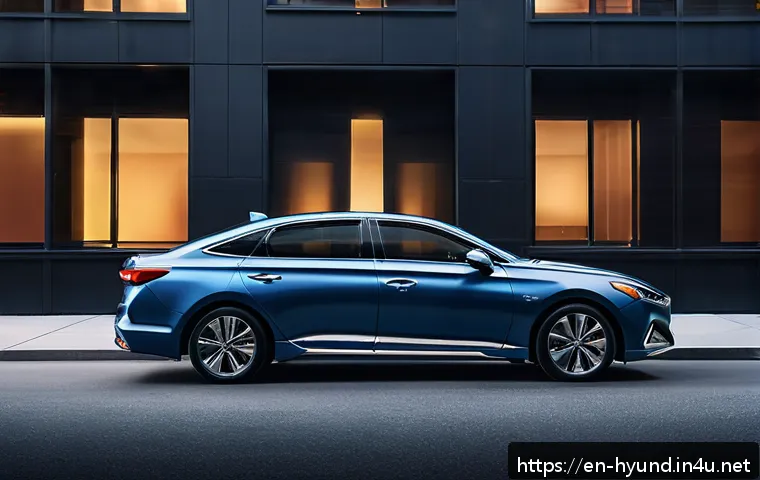
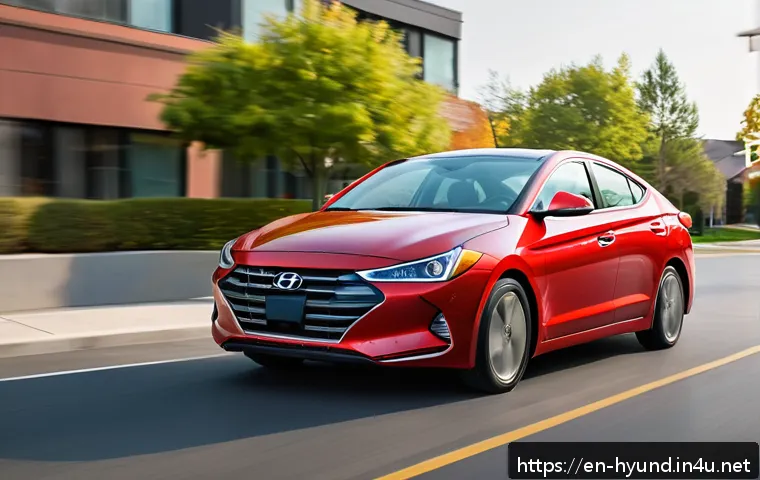
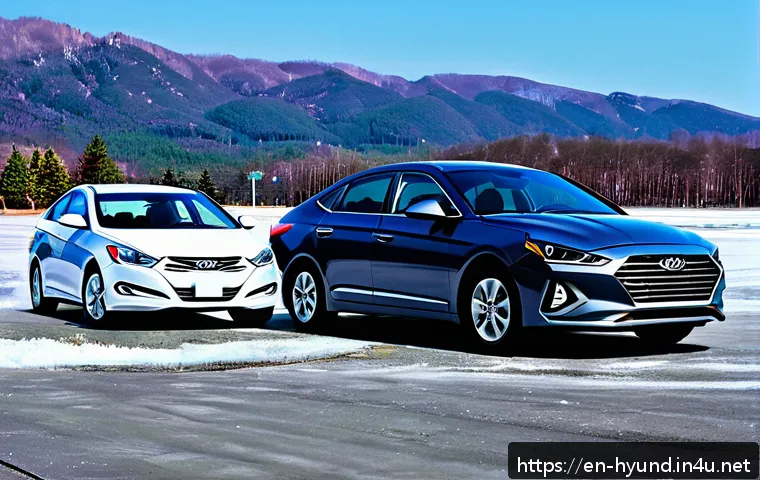
When diving into the used car market in 2024, it’s clear that both the Hyundai Sonata and Elantra continue to maintain strong appeal among buyers. The Sonata, often seen as a midsize sedan with more premium touches, tends to command a slightly higher resale price compared to the Elantra, which is more compact and budget-friendly.
Interestingly, the price gap between these two models has narrowed somewhat in recent years due to improvements in the Elantra’s design, technology, and fuel efficiency.
For instance, a 2019 Sonata with moderate mileage typically lists around $17,000 to $20,000, whereas a comparable Elantra might range from $14,000 to $17,000.
These numbers, of course, fluctuate based on trim levels, mileage, and regional demand, but the trend suggests buyers now get more value in the Elantra than before.
Factors Influencing Depreciation Rates
One of the biggest surprises in the used car scene is how depreciation affects these models differently. The Sonata’s value tends to hold better because it targets buyers looking for a more comfortable ride with advanced safety features, which keeps demand steady.
On the other hand, the Elantra, while popular, depreciates faster due to its lower initial price and higher availability in the used market. However, recent redesigns have boosted the Elantra’s desirability, slightly slowing its depreciation.
Another factor is fuel efficiency—both models have improved in this regard, but the Elantra often edges out the Sonata, appealing to buyers prioritizing long-term savings on gas.
This dynamic plays into how quickly these cars lose value and can influence your decision if resale value is important.
Regional Variations Impacting Price Differences
Location plays a surprisingly big role in used car pricing, and Hyundai models are no exception. In urban areas with higher living costs, like New York or San Francisco, the Sonata’s higher-end features and comfort are more prized, keeping prices buoyant.
Meanwhile, in more suburban or rural markets, the Elantra’s affordability and fuel economy often make it the preferred choice, resulting in tighter pricing margins between the two.
Weather conditions also impact wear and tear; for example, colder climates with snow tend to reduce vehicle value faster due to rust concerns, affecting both models similarly.
Understanding these local nuances can help buyers pinpoint where to find the best deals.
Performance and Reliability: What to Expect From Each Model
Driving Experience and Engine Options
If you’ve ever taken both the Sonata and Elantra for a spin, you’ll notice distinct differences in their driving dynamics. The Sonata generally offers a smoother, more composed ride thanks to its larger frame and more powerful engine options, including turbocharged variants that deliver a satisfying punch without sacrificing fuel economy.
The Elantra, while nimble and efficient, leans more toward practicality than sporty thrills. Its smaller engines still provide adequate power for daily commuting but might feel a bit underwhelming on highways or steep inclines.
For many, the Elantra’s lighter body means easier maneuverability in tight city spaces, a factor worth considering if urban driving dominates your routine.
Long-Term Reliability and Maintenance Costs
Hyundai’s reputation for reliability extends to both models, but the Sonata’s slightly more complex engineering can mean higher maintenance costs over time.
Things like brake replacements, suspension repairs, and electronic features tend to be pricier on the Sonata, reflecting its premium positioning. The Elantra, with simpler mechanical components, generally costs less to maintain, making it a solid choice for budget-conscious buyers.
That said, both cars benefit from Hyundai’s industry-leading warranty programs (when still applicable) and a growing network of affordable service centers.
Personal experience tells me that routine upkeep on either model won’t break the bank if you stay proactive, but expect a bit more investment with the Sonata’s extra bells and whistles.
Common Issues and What to Watch Out For
Every used car has its quirks, and Hyundai sedans are no exception. Sonata owners often report occasional infotainment glitches or minor transmission hesitation in older models, though these issues are usually addressed under warranty or through software updates.
Elantra drivers might encounter some premature brake wear or suspension noise after several years, especially if the vehicle has been primarily driven in rough road conditions.
A thorough pre-purchase inspection is crucial, and it’s worth asking sellers for maintenance records to spot recurring problems. From my experience, a well-maintained Hyundai from either lineup can serve reliably for years, but skipping these checks can lead to unexpected headaches.
Technology and Comfort Features That Affect Resale Value
Advancements in Safety and Driver Assistance
Hyundai has been ramping up safety features across its lineup, and both the Sonata and Elantra benefit from this trend. The Sonata typically comes equipped with more advanced driver-assist systems as standard or optional features, such as adaptive cruise control, lane-keeping assist, and blind-spot monitoring.
The Elantra has also caught up in recent years, especially in newer models, offering many of the same technologies but sometimes only on higher trims.
These safety upgrades not only improve your driving experience but also enhance the vehicle’s resale value, as buyers increasingly prioritize these features when shopping used.
Interior Comfort and Infotainment Systems
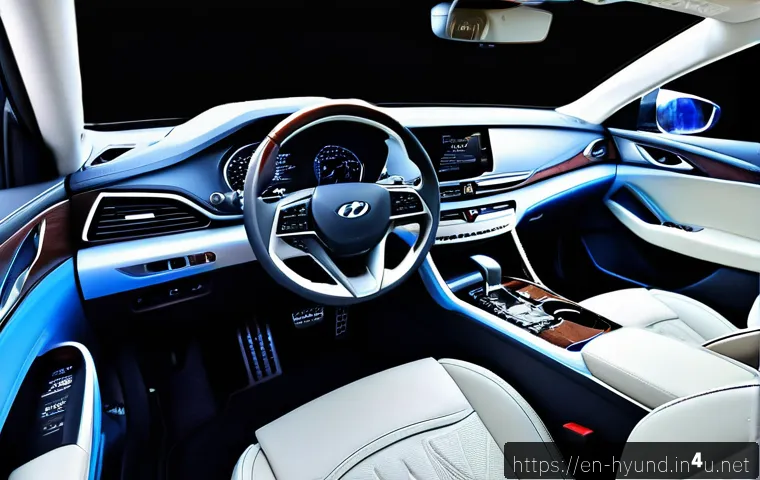
Step inside the Sonata, and you’ll often find a more spacious cabin with higher-quality materials, ambient lighting, and a larger infotainment screen.
These touches contribute to a more premium feel that appeals to buyers looking for comfort and style without stepping into luxury brands. The Elantra, while less lavish, still offers a modern interior with user-friendly controls, smartphone integration, and decent sound systems.
For those juggling budget with tech preferences, the Elantra’s value-packed trims can be surprisingly competitive. I’ve noticed that these interior comforts play a big role when buyers weigh out long-term satisfaction versus upfront cost.
How Features Influence Market Demand
Cars that come loaded with tech and comfort options tend to hold their value better, as they attract a wider pool of buyers. For example, a Sonata equipped with premium packages can command several thousand dollars more than a base model, while the Elantra’s higher trims similarly see a price bump.
In my personal dealings, I’ve seen that tech-savvy buyers especially gravitate toward models with updated infotainment and safety suites, making these features a smart investment if you plan to resell in the near future.
Balancing your desired features with their impact on price is key to maximizing your return down the road.
Fuel Economy and Ownership Costs Over Time
Real-World Gas Mileage Comparisons
Fuel efficiency remains a critical factor for many buyers, and here, the Elantra usually pulls ahead with better EPA ratings, especially in its hybrid and newer turbocharged variants.
While the Sonata offers respectable mileage for its class, it typically consumes a bit more fuel due to its larger engine size and heavier body. From my own experience filling up both, the Elantra’s lighter weight and efficient powertrains translate into noticeable savings at the pump, particularly for city drivers.
This can add up significantly over years of ownership and influence your total cost of driving.
Insurance and Registration Cost Differences
Insurance premiums often reflect a vehicle’s repair costs, safety ratings, and theft risk. Because the Sonata is generally more expensive to repair and has higher market value, it tends to carry slightly higher insurance rates compared to the Elantra.
Registration fees also vary by state and vehicle price but usually follow a similar pattern. For budget-conscious buyers, factoring in these ongoing costs can make the Elantra a more economical choice.
It’s worth getting personalized insurance quotes for both models before committing, as your driving history and location can shift the balance.
Estimating Long-Term Total Cost of Ownership
When adding up depreciation, fuel, maintenance, insurance, and registration, the Elantra often emerges as the more affordable option over a typical 5-7 year ownership period.
However, the Sonata’s higher upfront cost can be offset by its longer-lasting appeal and added comfort, which some owners value more than pure savings.
To help visualize this, here’s a quick breakdown based on average figures for 2018-2020 models with similar mileage:
| Cost Category | Hyundai Sonata | Hyundai Elantra |
|---|---|---|
| Average Purchase Price | $18,500 | $15,000 |
| Annual Fuel Cost | $1,400 | $1,100 |
| Annual Maintenance | $600 | $450 |
| Annual Insurance | $1,200 | $1,000 |
| Registration Fees | $150 | $120 |
| Estimated 5-Year Total Cost | $28,750 | $23,850 |
This table simplifies many variables but highlights how the Elantra typically saves owners several thousand dollars over time, which can be a dealbreaker depending on your priorities.
Negotiation Strategies for Getting the Best Deal
Timing Your Purchase for Maximum Savings
If you’re flexible about when to buy, timing can significantly impact the price you pay. End-of-quarter or end-of-year sales periods often push sellers to drop prices to meet targets, even in the used market.
Additionally, weather can play a role—winter months sometimes see lower demand for sedans, which could translate into better bargains. I’ve personally scored better deals on Hyundais by shopping during these off-peak windows, so patience can be your best friend when hunting for value.
Leveraging Vehicle History and Inspection Reports
A clean vehicle history report is a powerful negotiation tool. If the car has been well-maintained with no accidents, you’re in a strong position to justify a fair price.
Conversely, any red flags like past collisions or frequent repairs might warrant a price reduction. Getting a trusted mechanic to inspect the vehicle before purchase is essential; uncovering minor issues can help you negotiate repairs or price cuts.
Sharing these findings with the seller shows you’re serious and informed, which often leads to better offers.
Balancing Features and Budget Without Compromise
Sometimes, buyers get fixated on having every feature or the latest model year, which can stretch budgets unnecessarily. From my experience, focusing on core priorities—such as reliability, fuel economy, and safety—while remaining flexible on extras can open up more affordable options.
For example, choosing a slightly older Sonata or a well-equipped Elantra trim can deliver the best bang for your buck without sacrificing quality. Being clear about what matters most to you before negotiating helps keep discussions grounded and productive.
In Conclusion
Choosing between the Hyundai Sonata and Elantra ultimately depends on your priorities, whether it’s comfort, technology, or cost savings. Both models offer strong value and reliability, but the Sonata leans toward a more premium experience while the Elantra excels in efficiency and affordability. By understanding their differences and market trends, you can make a well-informed decision that suits your lifestyle and budget.
Helpful Information to Keep in Mind
1. Timing your purchase during end-of-year sales or off-peak seasons can lead to significant savings.
2. Always review the vehicle history and get a thorough inspection to avoid unexpected issues.
3. Prioritize features that matter most to you, such as safety and fuel economy, over luxury add-ons.
4. Consider regional pricing differences and how climate impacts vehicle wear when shopping.
5. Factor in long-term ownership costs like insurance, maintenance, and fuel to get the full picture.
Key Takeaways
Both the Hyundai Sonata and Elantra maintain strong resale value, but the Sonata’s premium features help it retain value better over time. The Elantra offers lower upfront and ownership costs, making it ideal for budget-conscious buyers. Safety and technology upgrades have become critical in maintaining market demand for both models. Regional factors and proper vehicle inspection play essential roles in ensuring a smart purchase. Ultimately, balancing your needs with these insights will help you find the best Hyundai sedan for your situation.
Frequently Asked Questions (FAQ) 📖
Q: How do the prices of used Hyundai Sonata and Elantra compare in 2024?
A: In 2024, the used Hyundai Elantra generally comes at a lower price point compared to the Sonata, making it a budget-friendly choice for buyers who want solid value without breaking the bank.
The Sonata, being a midsize sedan with more features and space, tends to hold a higher resale value and commands a slightly higher price. However, both models offer competitive pricing in the used market, with the Elantra appealing more to first-time buyers or those seeking fuel efficiency, while the Sonata suits buyers prioritizing comfort and advanced tech.
Q: Which Hyundai model offers better long-term value and reliability for used car buyers?
A: Both the Hyundai Sonata and Elantra have built strong reputations for reliability, but the Sonata often edges out in terms of long-term comfort and features, which can translate into better overall value for those keeping their car for several years.
That said, the Elantra’s lower purchase price and excellent fuel economy make it a smart pick for buyers focused on affordability and daily commuting.
Personally, after checking user reviews and maintenance records, I found that both cars require minimal repairs, but the Sonata’s larger engine and added safety features give it a slight advantage in long-term satisfaction.
Q: Are there any specific model years or trims of the Sonata or Elantra that are particularly good deals right now?
A: Absolutely! For the Sonata, model years from 2018 to 2020 strike a great balance between modern features and reasonable pricing, especially in trims like the SEL or Limited, which include premium tech without the high price tag of newer models.
For the Elantra, 2019 to 2021 models, particularly in the SE and SEL trims, are often highlighted for their updated design and improved fuel efficiency.
From my experience and market observations, focusing on certified pre-owned options within these ranges can also give you peace of mind with extended warranties and thorough inspections.