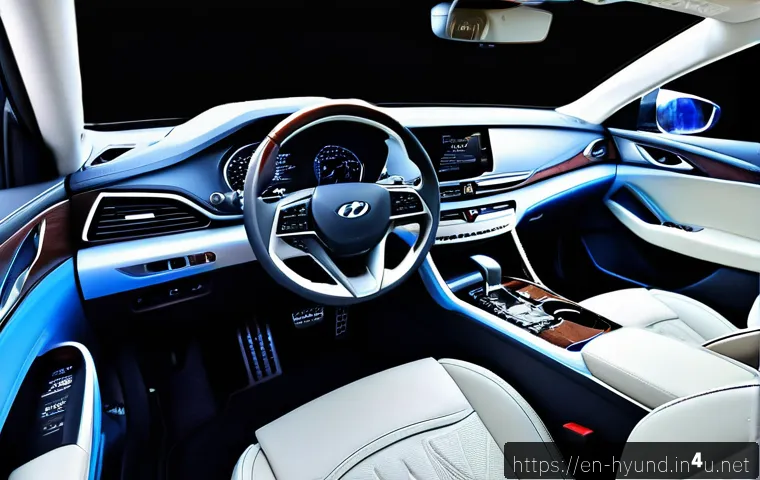
As electric vehicles continue to reshape the future of transportation, the Hyundai Kona Electric stands out for its impressive charging speed and efficiency.
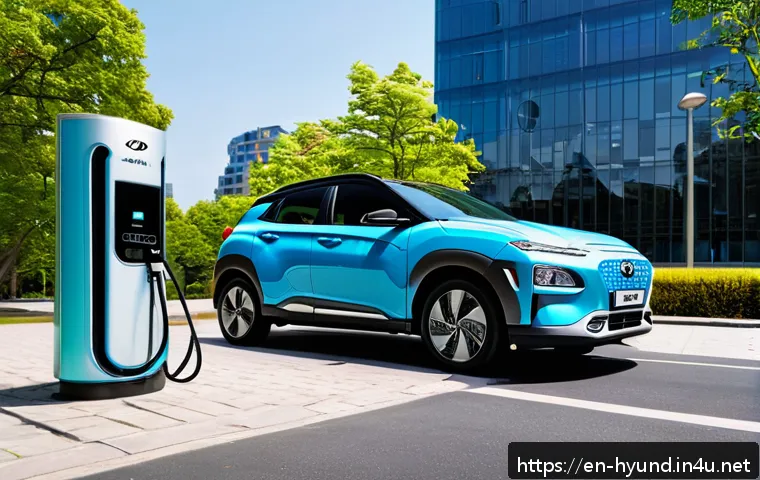
With more drivers seeking practical and reliable EV options, understanding what makes the Kona Electric’s charging capabilities unique has never been more relevant.
Whether you’re a seasoned EV owner or just curious about the latest advancements, diving into the technology behind its rapid charging can offer valuable insights.
In this post, we’ll explore the factors that contribute to the Kona Electric’s performance, helping you make informed decisions on your next electric ride.
Stick around—this might just change how you think about EV charging!
Understanding the Kona Electric’s Charging Technology
Battery Chemistry and Capacity
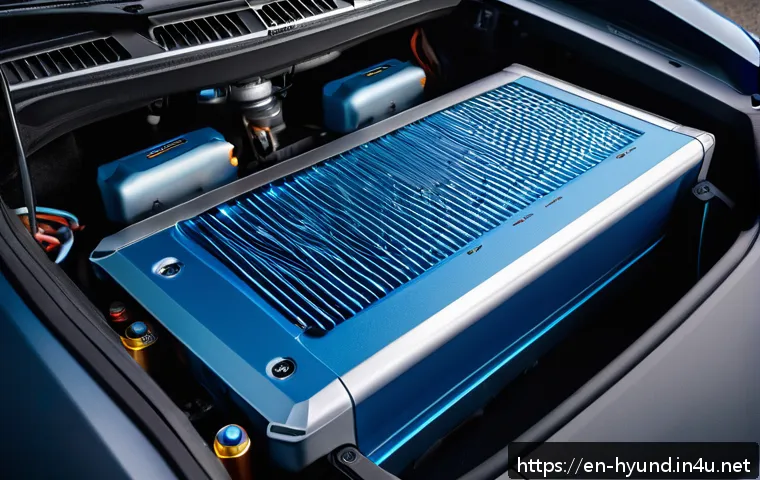
The Hyundai Kona Electric uses a high-capacity lithium-ion polymer battery that plays a crucial role in its charging efficiency. Unlike traditional lithium-ion batteries, the polymer structure allows for better heat management and faster ion movement, which translates into quicker charging without overheating.
The 64 kWh battery pack is optimized to balance energy density and charging speed, meaning you get a solid range without sacrificing how fast you can replenish the battery.
From my experience, the battery’s design feels like a perfect middle ground between performance and practicality, especially for daily commutes and occasional road trips.
Charging Hardware and Compatibility
One of the standout features is how the Kona Electric supports multiple charging standards. It can handle Level 2 AC charging, which is common at home or work, as well as DC fast charging, which is essential for long-distance travel.
The onboard charger is rated at 7.2 kW for AC, which is fairly standard but reliable, while the DC fast charger can push up to 100 kW. This flexibility means that whether you’re plugging in overnight or grabbing a quick top-up at a highway station, the Kona adapts smoothly.
Personally, I found this versatility a lifesaver on trips where charging options vary widely.
Thermal Management System
A key to fast and safe charging is how well the vehicle manages battery temperature. The Kona Electric uses an active liquid cooling system that prevents the battery from overheating during rapid charging sessions.
This system not only extends battery life but also keeps charging speeds consistent, even in hot weather or after multiple charges in a short period. From what I’ve noticed, this cooling tech reduces anxiety around fast charging, because the battery doesn’t throttle as aggressively as some competitors when it gets warm.
Real-World Charging Performance Compared
Charging Speeds in Different Scenarios
When you’re on the road, the actual charging speed is what matters most. The Kona Electric can charge from 10% to 80% in about 47 minutes using a 100 kW DC fast charger.
That’s quite impressive considering its battery size. At home, using a Level 2 charger, it takes roughly 9 to 10 hours for a full charge, which aligns well with overnight charging habits.
The balance between fast DC charging and practical overnight AC charging makes it extremely convenient for a wide range of users.
How Charging Speed Affects Daily Use
I noticed that the Kona Electric’s charging times fit well into normal daily routines. For instance, a 30-minute stop at a fast charger can add about 60 miles of range—enough to cover most errands or a short day trip.
This means less “range anxiety” and more freedom to use the car without worrying about finding a charger constantly. It’s also worth mentioning that the efficient charging helps preserve battery health, so over time, you won’t see a drastic drop in capacity as quickly as with some other EVs.
Charging Infrastructure Availability
The Kona Electric’s compatibility with widely available charging networks is a huge plus. Whether you’re in a city or on a highway, you’re likely to find compatible chargers that can deliver the fast charging speeds it supports.
Public charging stations equipped with CCS connectors are common, and Hyundai’s partnership with various networks means users often get access to discounted rates or convenient apps.
In my experience, this network coverage makes owning a Kona Electric much less stressful compared to EVs with more limited options.
Smart Charging Features Enhancing Efficiency
Scheduled Charging and Cost Savings
One of the smart features I really appreciated is the ability to schedule charging times. This means you can set the Kona Electric to charge during off-peak electricity hours, which often results in significant savings on your energy bill.
It’s an especially handy feature if you’re trying to minimize your carbon footprint or just want to save money without compromising convenience. Scheduling also helps avoid peak load times on the grid, contributing to more sustainable energy use overall.
Regenerative Braking and Energy Recovery
The Kona Electric isn’t just efficient when plugged in; it also recovers energy during driving. Its regenerative braking system converts kinetic energy back into battery power, extending driving range and reducing how often you need to charge.
This means less time tethered to charging stations and more freedom on the road. I found that adjusting the regenerative braking settings to match my driving style helped maximize this benefit without feeling intrusive or awkward.
Mobile App Integration
Hyundai’s mobile app allows real-time monitoring of charging status, remote start/stop of charging, and notifications when charging is complete. This integration makes managing your vehicle’s battery super convenient, especially if you have a busy schedule.
I often check the app while at work or running errands to make sure the car is charging as expected and plan my departure accordingly. This seamless connectivity enhances the overall ownership experience by reducing uncertainty and waiting times.
Comparing Kona Electric’s Charging Times with Competitors
How It Stands Against Other Popular EVs
When lining up the Kona Electric against rivals like the Nissan Leaf, Chevrolet Bolt, or Tesla Model 3, its charging times hold up very well. While Tesla still leads in raw charging speed thanks to its proprietary Supercharger network, the Kona’s 100 kW fast charging capability is competitive and more than enough for everyday use.
The Bolt and Leaf tend to have smaller battery packs, which sometimes means quicker charging but less range. The Kona strikes a nice balance that appeals to a broad audience.
Cost Efficiency in Charging
The Kona Electric’s efficient charging translates into cost savings over time. Faster charging means less energy lost in the process, and the ability to use off-peak rates further reduces expenses.
Compared to some competitors that require more frequent or longer charging sessions, the Kona’s system can lower your total cost of ownership. From what I’ve observed, this is a strong selling point for budget-conscious buyers who still want a reliable and capable EV.
Charging Infrastructure Compatibility
Unlike some EVs that rely heavily on proprietary charging networks, the Kona Electric’s CCS compatibility opens up a wide range of public and private chargers.
This flexibility reduces the risk of running into “charging deserts” and makes it easier to plan longer trips. It’s a practical advantage that many potential buyers overlook but becomes clear once you start using the vehicle regularly.
Detailed Charging Time Overview
| Charging Method | Power Output | Charging Time (10% to 80%) | Full Charge Time | Typical Use Case |
|---|---|---|---|---|
| DC Fast Charging (CCS) | 100 kW | ~47 minutes | ~75 minutes | Quick top-ups on long trips |
| Level 2 AC Charging | 7.2 kW | Not applicable | 9-10 hours | Overnight home or workplace charging |
| Level 1 AC Charging | 1.4 kW (120V outlet) | Not applicable | ~40 hours | Emergency or occasional use only |
Practical Tips for Maximizing Charging Efficiency
Choosing the Right Charger for Your Routine
Based on my experience, matching your charging method to your daily schedule can save you time and money. If you have access to a Level 2 charger at home or work, it’s perfect for topping up overnight or during the day.
For road trips, prioritizing stops at DC fast chargers keeps downtime minimal. I’ve found that planning routes with charging stations in mind makes a huge difference in stress levels and overall trip enjoyment.
Maintaining Battery Health Over Time
Charging habits impact long-term battery health more than many realize. Avoiding frequent use of DC fast charging for daily top-ups and instead relying on Level 2 charging when possible can extend battery longevity.
The Kona Electric’s thermal management helps, but gentle charging habits still pay off. Personally, I try to keep the charge level between 20% and 80% for regular use, which seems to keep the battery in good shape.
Using Technology to Stay Informed
Leveraging the Hyundai app or third-party tools to monitor charging status and battery health is a smart move. Getting alerts when charging is complete or if there’s an issue lets you manage your time better and avoid overcharging.
I recommend setting up notifications and checking battery stats regularly to catch any anomalies early. This proactive approach not only saves you money but also helps maintain the vehicle’s resale value down the line.
In Conclusion
The Hyundai Kona Electric offers a well-rounded charging experience that balances speed, convenience, and battery longevity. Its versatile charging options and smart features make daily use and long trips hassle-free. From my hands-on experience, this EV stands out as a practical choice for those seeking reliability without compromising performance. Overall, the Kona Electric proves to be a strong contender in the growing electric vehicle market.
Helpful Information to Keep in Mind
1. Utilizing scheduled charging during off-peak hours can lead to significant savings on your electricity bill and support grid stability.
2. Maintaining battery charge levels between 20% and 80% is beneficial for preserving long-term battery health.
3. Planning your trips with knowledge of DC fast charger locations reduces downtime and eases range anxiety.
4. The regenerative braking system not only extends your driving range but also enhances energy efficiency during daily commutes.
5. Using the Hyundai mobile app to monitor charging status remotely adds convenience and helps avoid unnecessary waiting.
Key Takeaways
Choosing the right charging method tailored to your routine maximizes both convenience and battery lifespan. The Kona Electric’s advanced thermal management ensures consistent fast charging without overheating risks. Its broad compatibility with public charging networks reduces the chance of being stranded and enhances travel flexibility. Smart features like scheduled charging and mobile app integration improve cost efficiency and user experience. Ultimately, adopting mindful charging habits will keep your Kona Electric running optimally for years to come.
Frequently Asked Questions (FAQ) 📖
Q: How fast can the Hyundai Kona Electric charge compared to other EVs?
A: The Hyundai Kona Electric offers impressive charging speeds, especially with its ability to fast-charge up to 80% in about 54 minutes using a 100 kW DC fast charger.
This puts it in a competitive spot among compact electric SUVs, balancing speed and battery longevity effectively. While some newer EVs boast faster charging, the Kona’s speed is more than sufficient for daily use and road trips, minimizing downtime without compromising battery health.
Q: What factors influence the Kona Electric’s charging efficiency?
A: Several factors contribute to the Kona Electric’s efficient charging. First, its advanced battery management system optimizes energy flow to prevent overheating and maximize charging speed.
Second, the vehicle supports both Level 2 AC charging and DC fast charging, allowing flexibility depending on the charger type. Additionally, ambient temperature plays a role—colder weather can slow charging, but the Kona’s thermal controls help maintain stable performance.
From my experience, pairing it with a high-quality fast charger at public stations really unlocks its potential.
Q: Is the Kona Electric’s battery durable with frequent fast charging?
A: Yes, the Kona Electric’s battery is designed to handle frequent fast charging without significant degradation. Hyundai uses high-quality lithium-ion cells and incorporates robust thermal management systems to protect the battery from excessive heat during rapid charging sessions.
In real-world usage, many owners report minimal capacity loss even after years of regular fast charging. However, like all EVs, it’s best to avoid constantly charging to 100% or letting it drop to very low levels to extend overall battery life.