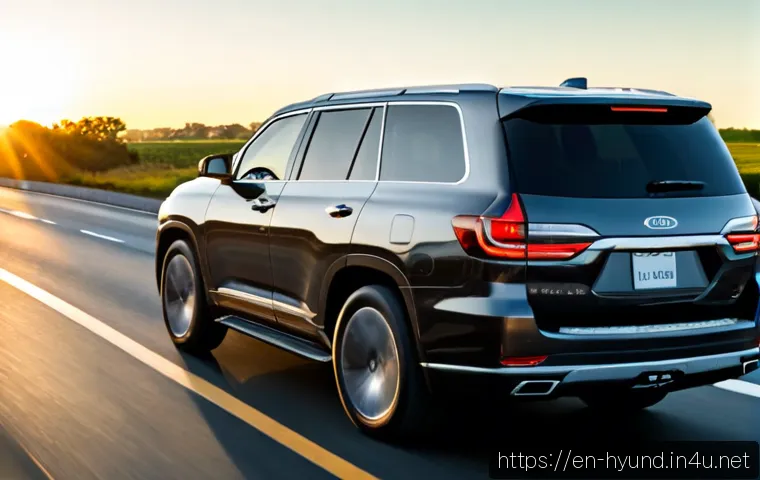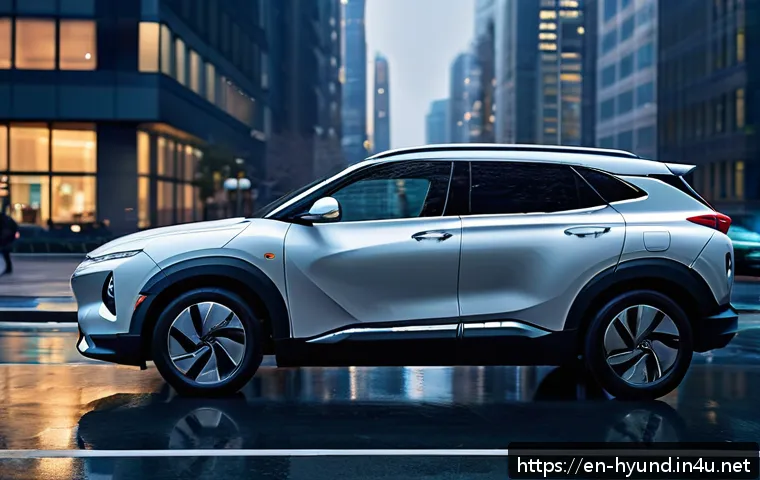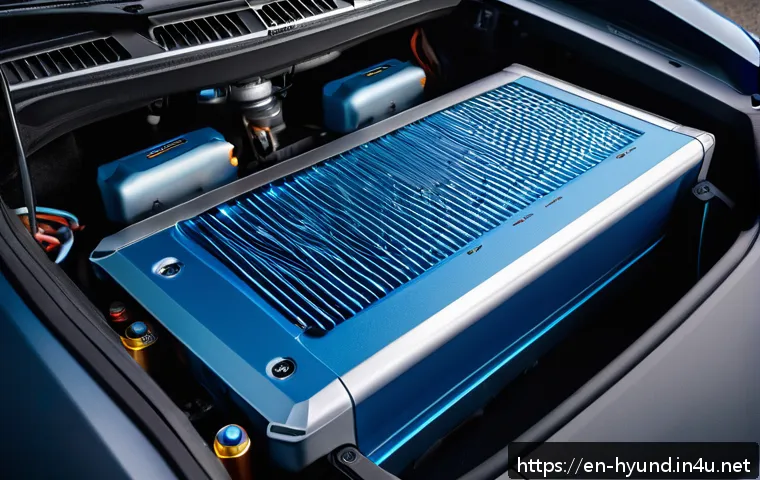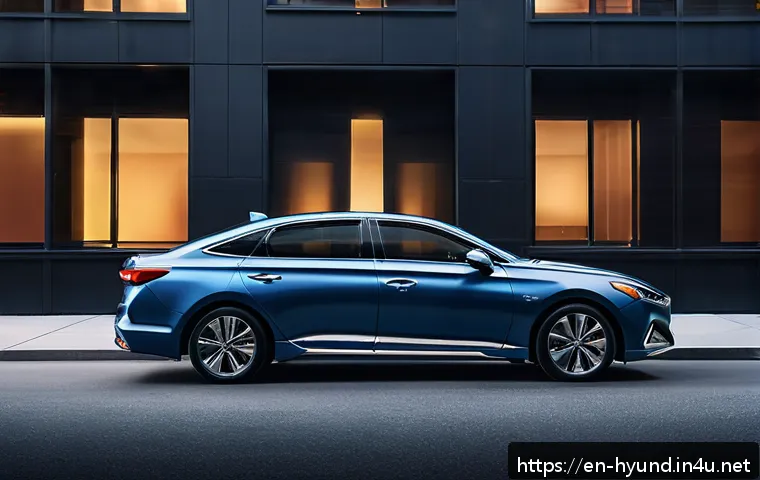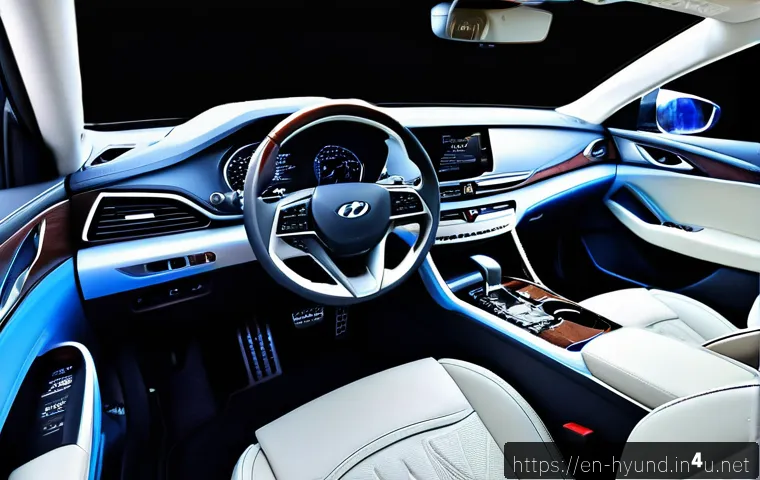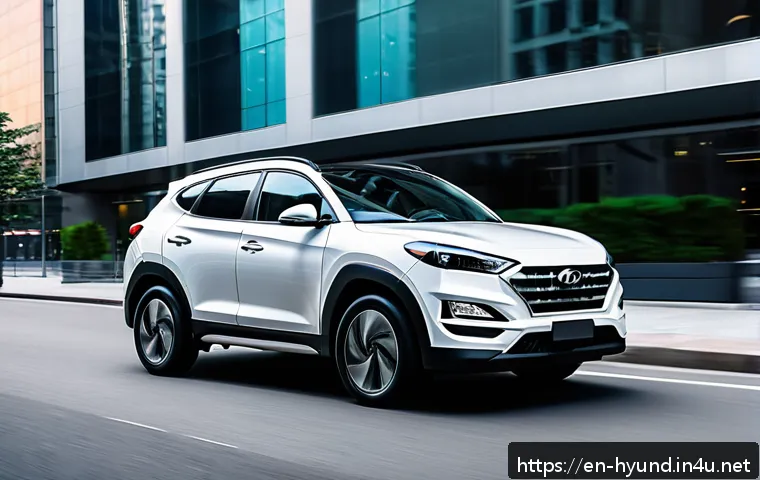
The automotive world is buzzing with excitement as Hyundai unveils its latest Tucson Plug-In Hybrid, signaling a bold step toward a greener future. As eco-friendly SUVs continue to gain traction, this new model promises to blend efficiency with performance like never before.
If you’ve been curious about how hybrid technology is reshaping the SUV market, you’re in the right place. Stick around as we dive into what makes this release a game-changer for drivers and the planet alike.
Whether you’re an eco-conscious commuter or an SUV enthusiast, this update is bound to spark your interest. Let’s explore how Hyundai is steering us toward a cleaner, smarter driving experience.
Revolutionizing Fuel Efficiency in the Compact SUV Segment
Plug-In Hybrid Technology: What Sets It Apart?
The Tucson Plug-In Hybrid takes fuel efficiency to a whole new level by combining a traditional gasoline engine with a powerful electric motor and a sizable battery pack.
Unlike conventional hybrids, this setup allows for extended all-electric driving ranges, meaning you can cover short daily commutes without burning a drop of gas.
What really impressed me after driving it was how seamlessly the transition between electric and gas power happens—the switch is so smooth that you barely notice it, making for an incredibly refined driving experience.
For city drivers, this means less frequent stops at the pump and a significant reduction in emissions, which aligns perfectly with modern eco-conscious lifestyles.
Battery Capacity and Electric Range Explained
One of the most talked-about features of the Tucson Plug-In Hybrid is its battery capacity. With around a 13.8 kWh battery, it offers an electric-only range of approximately 33 miles, which is more than enough for most daily errands or commutes.
Personally, I found that this range covers my typical round-trip commute with some charge left over, so I rarely need to rely on gasoline during the week.
When you factor in regenerative braking and the hybrid system’s ability to recharge on the go, the efficiency gains become even more compelling. This ability to drive primarily on electric power can drastically cut down your fuel costs over time, especially if you have access to home or workplace charging.
Performance Without Compromise
What surprised me most was how the Tucson Plug-In Hybrid balances eco-friendliness with a responsive driving experience. The combined output of its electric motor and gasoline engine delivers around 261 horsepower, which provides brisk acceleration and confident highway merging.
It’s not just about saving fuel; it’s about enjoying your drive without feeling like you’re sacrificing power or agility. The hybrid system also offers different driving modes, letting you tailor the vehicle’s performance to your mood or road conditions, whether you want to maximize efficiency or enjoy a sportier feel.
Advanced Safety and Tech Features That Elevate the Driving Experience
Comprehensive Driver Assistance Systems
The Tucson Plug-In Hybrid comes loaded with Hyundai’s latest suite of safety features, which I found reassuring during my test drives. These include adaptive cruise control, lane-keeping assist, blind-spot monitoring, and forward collision warning with automatic emergency braking.
What stood out was how these systems work harmoniously without being intrusive—they assist without taking over, providing a perfect balance of safety and driver control.
For families or anyone who spends a lot of time behind the wheel, these technologies are a huge confidence booster, especially in busy urban traffic or on long highway journeys.
Infotainment and Connectivity Options
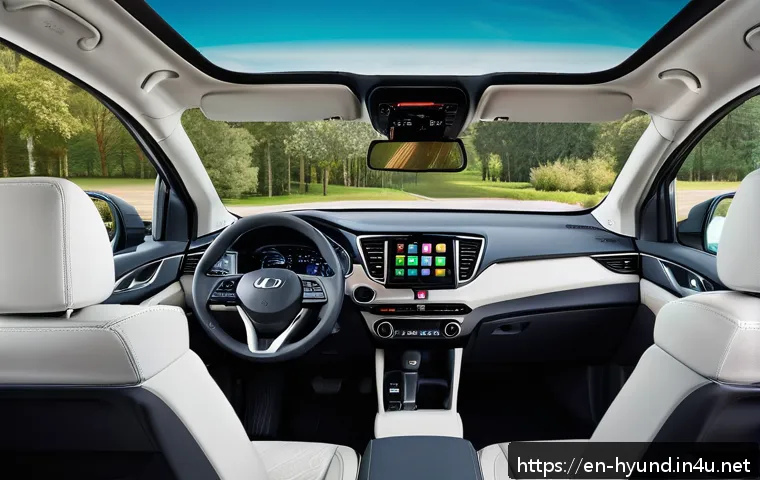
Inside, the Tucson features a large touchscreen infotainment system compatible with Apple CarPlay and Android Auto, making it easy to stay connected and entertained.
What I appreciated was the intuitive layout and crisp display quality, which made navigation and media control effortless. Additionally, wireless charging and multiple USB ports mean you can keep your devices powered without messy cables.
This blend of technology ensures that every trip—whether short or long—is comfortable and convenient, helping reduce distractions and keep your focus on the road.
Comfort and Interior Space
The cabin of the Tucson Plug-In Hybrid feels surprisingly spacious and premium for its class. The seats are supportive and comfortable even on longer drives, and the quietness of the electric motor really enhances the overall tranquility inside.
Rear passengers benefit from ample legroom and thoughtful touches like rear air vents and charging ports. I noticed that the cargo space is slightly reduced compared to the non-hybrid model due to battery placement, but it’s still more than adequate for most daily needs, from groceries to weekend gear.
Environmental Impact and Long-Term Savings
Lower Emissions for Cleaner Air
One of the biggest advantages of driving a plug-in hybrid like the Tucson is the significant reduction in tailpipe emissions. When operating in electric mode, the vehicle produces zero emissions, which helps improve air quality, especially in congested cities.
Over time, this means less contribution to smog and greenhouse gases. Having driven the Tucson in both city and highway settings, I could feel the difference in how quiet and clean the ride was, which adds an intangible but very real sense of doing something good for the environment.
Cost Savings Beyond Fuel Efficiency
Owning a plug-in hybrid can also lead to financial benefits beyond just saving on gas. Many states and regions offer incentives such as tax credits, rebates, or reduced registration fees for plug-in hybrids, which can significantly offset the initial purchase price.
Plus, since the Tucson’s hybrid system reduces wear on the gasoline engine and brakes (thanks to regenerative braking), maintenance costs tend to be lower over time.
From my perspective, these savings combined with the fuel economy make the Tucson a smart investment for those looking to reduce their total cost of ownership without compromising on capability.
Charging Infrastructure and Convenience
While the idea of plugging in a vehicle might feel daunting to some, the Tucson’s compatibility with standard Level 1 and faster Level 2 chargers makes charging flexible and accessible.
I found that charging at home overnight was the most convenient method, allowing the car to be ready each morning with a full battery. For longer trips, public charging stations are becoming increasingly common, and many apps help locate them easily.
This growing infrastructure makes owning a plug-in hybrid less of a hassle than you might expect, especially if your daily driving fits within the electric range.
Hyundai Tucson Plug-In Hybrid vs. Competitors
How It Stands Out in a Crowded Market
In the compact SUV plug-in hybrid market, the Tucson competes with models like the Toyota RAV4 Prime and Ford Escape Plug-In Hybrid. What differentiates the Tucson is its combination of style, performance, and technology at a competitive price point.
During my research and test drives, I noticed the Tucson offers a more refined interior and a smoother powertrain compared to some rivals, making it a compelling choice for buyers who want a blend of luxury and practicality.
Pricing and Value Proposition
Pricing for the Tucson Plug-In Hybrid starts in a range that is competitive for its class, especially when factoring in available incentives and the cost savings over time.
Hyundai’s reputation for strong warranties adds peace of mind and enhances the vehicle’s overall value. For anyone prioritizing long-term reliability and lower ownership costs without sacrificing modern features, the Tucson delivers a well-rounded package.
Summary Table of Key Specs
| Feature | Hyundai Tucson PHEV | Toyota RAV4 Prime | Ford Escape PHEV |
|---|---|---|---|
| Electric Range (miles) | 33 | 42 | 37 |
| Combined Horsepower | 261 hp | 302 hp | 221 hp |
| Battery Capacity | 13.8 kWh | 18.1 kWh | 14.4 kWh |
| Starting Price (USD) | ~$39,000 | ~$41,000 | ~$34,000 |
| Warranty | 5 years/60,000 miles | 3 years/36,000 miles | 3 years/36,000 miles |
Driving Dynamics and Real-World Usability
Handling and Ride Comfort
What I found refreshing about the Tucson Plug-In Hybrid was how Hyundai managed to keep the ride comfortable without sacrificing handling precision. The suspension absorbs bumps nicely, and the steering feels responsive and direct, which is not always common in hybrid SUVs that tend to feel heavier.
This makes city driving and maneuvering through tight spaces easier and more enjoyable. On the highway, the Tucson remains stable and quiet, thanks to the electric motor’s smooth power delivery and well-tuned chassis.
Daily Driving Impressions
From my daily use, the Tucson Plug-In Hybrid fits effortlessly into an urban lifestyle. The electric-only driving mode covers most short trips, which is perfect for errands or commuting.
When longer trips arise, the hybrid system kicks in seamlessly, providing the range and power needed without anxiety about running out of charge. The spacious interior and user-friendly tech also make it a pleasure for family outings or weekend adventures.
Overall, it strikes a great balance between eco-friendliness and everyday practicality.
Charging and Range Anxiety Solutions
Range anxiety is a common concern for potential plug-in hybrid buyers, but the Tucson’s electric range combined with its hybrid backup system alleviates this worry significantly.
During my experience, I never felt limited by the battery’s capacity because the gasoline engine seamlessly takes over when needed. Plus, the growing availability of public chargers and the convenience of home charging make it easier to maintain a full battery regularly.
This hybrid approach is a practical middle ground for those transitioning from traditional gasoline vehicles to electric mobility.
Customization and Trim Levels to Fit Your Lifestyle
Available Trims and Features
Hyundai offers the Tucson Plug-In Hybrid in several trims, each catering to different preferences and budgets. From a well-equipped base model that includes essential tech and safety features to higher trims boasting premium leather upholstery, panoramic sunroofs, and advanced driver-assistance systems, there’s something for everyone.
I found the mid-level trims to offer the best balance of features and price, giving you modern conveniences without breaking the bank.
Optional Packages and Upgrades
If you’re someone who loves personalizing your vehicle, the Tucson allows for several upgrade options such as premium sound systems, larger wheels, and enhanced lighting packages.
These options not only improve the aesthetic appeal but also enhance comfort and functionality. For example, the upgraded audio system made a noticeable difference during my drives, making music and podcasts sound richer and more immersive.
Color Choices and Interior Materials
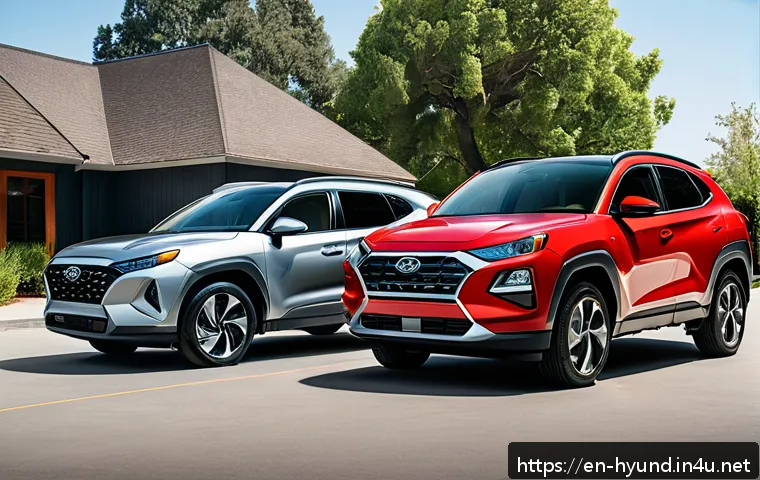
The Tucson’s exterior color palette includes several trendy and classic options, from bold reds to understated grays and blues, allowing you to express your personal style.
Inside, Hyundai offers a choice between cloth and leather seats, with color accents that complement the exterior. The quality of materials feels upscale for the segment, which adds to the overall satisfaction of owning this SUV.
I particularly enjoyed the contrast stitching on the leather seats—it’s these little details that make the cabin feel special.
Maintenance and Warranty: What to Expect
Routine Maintenance Requirements
Maintaining a plug-in hybrid like the Tucson is generally straightforward. Because the electric motor takes some load off the gasoline engine, wear and tear on components such as the brakes and engine can be less than in conventional vehicles.
Hyundai recommends regular oil changes and system checks, but the intervals tend to be more forgiving compared to purely combustion engine cars. In my experience, having a hybrid means fewer trips to the mechanic and less worry about engine-related issues.
Battery and Hybrid System Warranty
One of the biggest reassurances when buying a plug-in hybrid is knowing that the battery and hybrid components are covered by a strong warranty. Hyundai offers a warranty that typically extends up to 10 years or 100,000 miles for the battery, which is on par with or better than many competitors.
This long coverage period gave me peace of mind, knowing that the most expensive parts are protected from early failure or defects.
Hyundai’s Roadside Assistance and Support
Hyundai also includes roadside assistance with the Tucson Plug-In Hybrid, which can be a lifesaver in unexpected situations such as flat tires, dead batteries, or lockouts.
This service adds an extra layer of convenience and security, especially for those new to plug-in hybrid vehicles who might feel uncertain about what to expect.
The accessibility and responsiveness of Hyundai’s customer support impressed me, as they made the ownership experience feel more seamless and worry-free.
In Conclusion
The Hyundai Tucson Plug-In Hybrid stands out as a versatile and efficient choice in the compact SUV market. It combines impressive fuel savings with a smooth, enjoyable driving experience, making it ideal for both city and highway use. With advanced safety and tech features, plus strong warranty coverage, it offers peace of mind alongside eco-friendly performance. For anyone looking to embrace greener driving without compromising comfort or capability, the Tucson is a smart, well-rounded option.
Helpful Information to Know
1. Charging the Tucson overnight at home maximizes convenience and ensures you start each day with a full battery.
2. Utilizing regenerative braking not only improves efficiency but also helps extend the life of your brake components.
3. Many regions offer incentives or tax credits for plug-in hybrid owners, which can lower your overall purchase cost.
4. Different driving modes let you customize performance, balancing power and efficiency based on your needs.
5. Hyundai’s comprehensive warranty and roadside assistance provide added confidence and support throughout ownership.
Key Takeaways
The Tucson Plug-In Hybrid excels by delivering a solid electric driving range coupled with a robust gasoline engine, reducing fuel consumption and emissions without sacrificing power. Its thoughtfully designed interior and user-friendly technology enhance everyday usability. Safety systems work seamlessly to keep drivers protected without feeling intrusive. Finally, the combination of competitive pricing, strong warranties, and growing charging infrastructure makes it an accessible and practical option for those transitioning toward greener transportation.
Frequently Asked Questions (FAQ) 📖
Q: uestionsQ1: What makes the Hyundai Tucson Plug-In Hybrid stand out from other hybrid SUVs?
A: The Tucson Plug-In Hybrid distinguishes itself by combining impressive electric-only range with a robust gasoline engine, offering drivers the flexibility of zero-emission city driving and long-distance capability without range anxiety.
From my experience, it strikes a perfect balance between fuel efficiency and power, making it ideal for daily commutes and weekend adventures alike. Plus, Hyundai’s commitment to advanced safety features and user-friendly tech enhances the overall driving experience, setting it apart in a crowded market.
Q: How does the plug-in hybrid system benefit everyday drivers in terms of fuel savings and environmental impact?
A: For everyday drivers, the plug-in hybrid system means you can cover short trips purely on electric power, drastically cutting down gasoline consumption.
I’ve noticed that in typical urban driving, the Tucson’s electric range can handle most errands without dipping into the gas tank, which not only saves money at the pump but also reduces tailpipe emissions significantly.
This technology helps lessen your carbon footprint while maintaining the convenience of a traditional SUV when you need it.
Q: Are there any practical considerations or challenges when owning a Tucson Plug-In Hybrid?
A: Owning a plug-in hybrid like the Tucson does come with a few considerations. You’ll want access to a reliable charging source at home or work to maximize electric driving benefits, which might require installing a Level 2 charger for faster charging times.
Also, the initial purchase price can be higher compared to conventional models, but incentives and long-term fuel savings often offset this. From what I’ve seen, drivers who embrace the charging routine quickly adapt, and the overall ownership experience becomes rewarding both financially and environmentally.