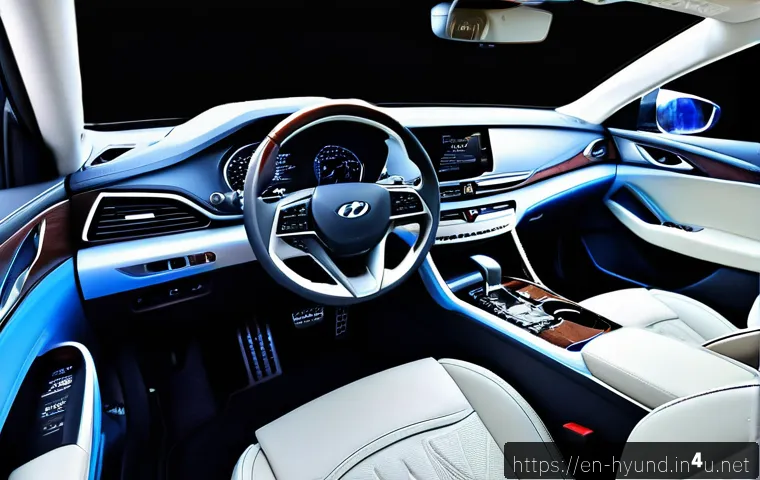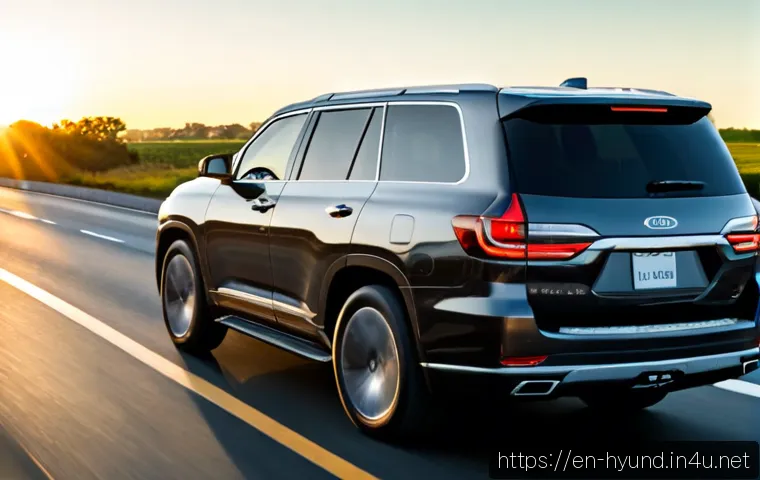
The latest Hyundai Santa Fe safety technology is most valuable when it matches your daily driving, but availability can vary by model year, trim, package, and local inventory.
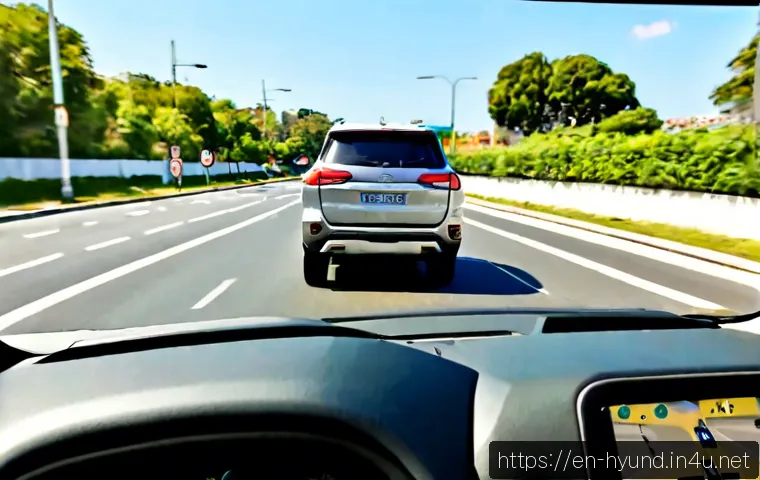
Compare the full equipment list for the exact vehicle—not simply the Santa Fe name—before paying more for an upgraded trim. For most family-SUV shoppers, collision prevention, blind-spot coverage, and rear cross-traffic support deserve attention before premium parking or highway-assistance features.
Advanced systems can reduce driving workload, but they do not replace an alert driver. A careful trim comparison can also make dealer pricing research and auto insurance quote comparisons more useful.
At a Glance
- Prioritize active safety first: collision warnings, braking intervention, blind-spot support, and rear cross-traffic alerts can matter in everyday traffic.
- Confirm the exact vehicle: standard and optional equipment may differ by model year, trim, package, and U.S. region.
- Pay for convenience selectively: camera views, parking aids, and hands-on highway support can be useful, but their value depends on where and how often you drive.
| Safety Category | What It Is Designed to Help With | Typical Buyer Value | What to Verify |
|---|---|---|---|
| Collision prevention | Warnings and possible braking support when a forward collision risk is detected | High for most family-SUV buyers | Included detection types, intervention limits, and whether the feature is active on the listed vehicle |
| Lane support | Lane departure alerts, steering support, lane-centering, or driver-attention reminders | Higher for frequent highway drivers | Whether it warns, corrects steering, centers the vehicle, or requires a specific driving condition |
| Blind-spot and rear coverage | Alerts for nearby vehicles, crossing traffic behind the SUV, or opening-door risks | High for busy roads and family parking situations | Sensor coverage, alert type, and any available intervention function |
| Parking assistance | Camera views, sensors, and low-speed maneuvering alerts | High in dense neighborhoods and garages | Camera angles, sensor placement, screen visibility, and any automated parking capability |
| Highway assistance | Hands-on support intended to reduce workload during compatible highway driving | Best for regular commuters and road-trip families | Driver-monitoring expectations, operating conditions, and feature limitations |
What the Santa Fe’s Newest Safety Technology Can Do for Everyday Driving
Three quick takeaways for family-SUV buyers
First, start with crash-avoidance support rather than luxury-style convenience features. A system that can warn of a developing conflict—and may provide braking or steering-related support within its design limits—generally deserves more attention than a feature used only occasionally.
Second, look at your actual routes. A parent handling school pickup, stop-and-go traffic, crowded grocery-store lots, and frequent merging may value blind-spot and rear cross-traffic support more than a driver who mostly uses quiet rural roads.
Third, treat trim research as part of the purchase process. A dealer listing may show broad safety language, while the exact Santa Fe on the lot may have different installed equipment. Request the detailed feature list before comparing a dealer quote.
Active safety versus driver convenience: why the distinction matters
Active safety refers to systems designed to warn the driver or potentially help reduce the consequences of a collision. Examples may include forward-collision alerts, automatic emergency braking, lane-related assistance, and blind-spot or rear cross-traffic functions.
Driver convenience includes features that can make low-speed maneuvering or long trips easier, such as expanded camera views, parking sensors, or hands-on highway support. These can be worthwhile, but they are not automatically the best reason to move into a higher-priced SUV trim.
When comparing vehicle safety-package value, ask one simple question: will this system help on the roads you use every week? That keeps the comparison focused on practical utility instead of a long equipment list.
Why trim-level verification is essential before buying
Do not assume every Hyundai Santa Fe includes the same driver-assistance systems. Equipment can change by model year, trim name, optional package, production timing, and region. Software updates may also affect how some systems operate or are presented.
Use the window sticker, official vehicle details, and the specific vehicle identification information from the seller to confirm equipment. If a feature is important to your decision, ask the dealership to identify it in writing before you request final out-the-door pricing.
Compare Collision, Lane, Blind-Spot, and Parking Assistance Features
Forward collision warnings and automatic emergency braking
Forward collision warning systems are intended to alert a driver when the vehicle detects a possible risk ahead. Automatic emergency braking systems may apply braking support in certain conditions. The key distinction is important: a warning asks you to react; braking intervention may assist, but has operating limits.
For family-SUV shoppers, this category is often a priority because it relates to common driving situations: traffic slowing unexpectedly, distracted road users, and busy suburban corridors. Confirm what the exact Santa Fe configuration is designed to detect and when intervention can occur. Weather, speed, visibility, road conditions, and sensor limitations can affect performance.
Lane-centering, lane-keeping, and driver-attention support
Lane-related technology can range from an alert when the SUV drifts toward a lane marking to steering assistance intended to help the vehicle remain positioned within visible lanes. Driver-attention support may provide a reminder when the system detects signs that the driver should refocus.
These tools can be especially relevant for highway commuters, but they should not be mistaken for self-driving capability. Keep your hands ready, watch the road, and understand how the system communicates its status. During a test drive, assess whether alerts are easy to notice without being distracting.
Blind-spot, rear cross-traffic, and safe-exit protection
Blind-spot support can alert you to vehicles beside the SUV when changing lanes. Rear cross-traffic alerts are designed to help when backing out of a parking space where approaching vehicles may be hard to see. Some configurations may also offer features intended to warn occupants about opening a door into nearby traffic.
These systems can be useful for households with young passengers, teen drivers, or frequent city parking. Still, sensors cannot see every object in every circumstance. Teach every driver in the household to use mirrors, look around the vehicle, and treat alerts as added support—not a substitute for observation.
Camera views, parking sensors, and low-speed maneuvering aids
A larger SUV can be easier to place in tight areas when the driver has clear camera views and audible parking alerts. These features are often most valuable in narrow garages, curbside parking, school drop-off lines, and crowded shopping centers.
Before paying for a premium parking package, sit in the driver’s seat and evaluate the screen. Check camera clarity, glare, response time, control placement, and whether you can quickly understand the audible alerts. A feature has limited value if it is difficult to use when you need it.
Which Safety Features Deliver the Best Value by Driving Situation?
Best priorities for school runs, city traffic, and crowded parking lots
For this driving pattern, place forward collision support, blind-spot monitoring, rear cross-traffic alerts, and parking visibility near the top of your list. These features align with frequent stops, unpredictable traffic movement, cyclists, pedestrians, and limited space.
Parking sensors and camera views may be worth an upgraded package if tight parking is part of your normal routine. Compare the package cost against how often the feature would genuinely reduce stress or improve visibility.
Best priorities for highway commuters and long-distance family travel
Highway drivers may place more value on lane support, driver-attention reminders, and hands-on highway assistance. These systems may help reduce workload during long stretches of compatible highway travel, but the driver remains responsible for steering, awareness, and safe operation.
For a long-distance family vehicle, also consider whether the alert sounds and displays are clear without becoming tiring. A test drive on a route with lane markings and moderate traffic can reveal more than reading a feature list alone.
Features that may be less important for low-mileage or rural drivers
A low-mileage driver may not get the same value from a costly highway-assistance upgrade. Likewise, some camera or parking enhancements may matter less where driveways and parking areas are open and uncrowded.
That does not mean basic active safety is unimportant. Instead, it means a lower or mid-range trim with the right core equipment may offer better value than paying for every available technology package. Compare the exact equipment against your budget before moving up in trim.
How to Verify Safety Equipment Before You Request a Dealer Quote

Check the model year, trim name, optional packages, and window sticker
Start with four details: model year, trim, installed options, and the vehicle’s window sticker. Do not rely only on stock photos or a broad trim description. Ask whether the listed SUV includes the package that adds the safety or parking feature you want.
When comparing dealer pricing, make sure each quote represents vehicles with comparable equipment. A lower price may reflect fewer installed options rather than a better deal.
Test-drive checks for alerts, visibility, cameras, and control placement
During the test drive, ask the salesperson to show where driver-assistance settings appear. Check whether alerts can be understood quickly, whether mirrors and cameras provide useful visibility, and whether important controls are easy to reach.
Do not attempt to force a warning or intervention event. Instead, focus on normal operation, display clarity, seating position, sightlines, and how the system explains its current status.
Questions to ask about feature limitations, subscriptions, and updates
Ask what conditions can limit the system, including weather, dirty sensors, lane markings, and low-visibility situations. Ask whether a feature is included on the specific vehicle, whether it depends on connected services, and whether any functions may change through software updates.
Also ask for clarification if a listing uses broad terms such as “driver assistance” or “safety suite.” Those terms may describe different capabilities across trims and model years.
Common Mistakes When Comparing Driver-Assistance Systems
Assuming every Santa Fe includes the same technology
This is the easiest mistake to avoid and one of the most costly. The Santa Fe badge does not confirm a complete feature set. Verify the specific SUV before using its safety technology as a reason to accept a higher purchase price or finance payment.
Treating assistance systems as autonomous driving
Driver-assistance systems are not a replacement for attentive driving. Cameras, radar, sensors, and software can have limitations. The driver must remain engaged, follow the owner’s information, and take control whenever necessary.
Comparing MSRP without reviewing insurance, financing, and installed options
A useful SUV comparison includes more than MSRP. Review installed equipment, dealer-added items, taxes and fees, financing terms, and the possible effect on your insurance shopping. Safety equipment does not guarantee an insurance discount, and coverage pricing depends on the insurer, location, driver profile, and exact vehicle configuration.
Selection Criteria and Comparison Summary
A practical safety-feature shortlist for budget, mid-range, and premium trims
Budget-focused shoppers should first verify collision-related support, lane alerts or assistance, and the visibility tools they will use most. Mid-range shoppers may find stronger value in blind-spot coverage, rear cross-traffic support, and practical parking aids. Premium-trim shoppers should evaluate whether enhanced camera views, parking assistance, or hands-on highway support fit their actual driving routine.
When paying more for an upgraded package can make sense
Paying more can be reasonable when the package adds features you expect to use often: frequent highway travel, dense urban parking, multi-driver households, or daily school-run traffic. It may be less compelling when the package primarily adds convenience features that do not match your mileage or environment.
Final checklist for comparing inventory, out-the-door price, and coverage costs
Before deciding, confirm: (1) the exact model year and trim, (2) installed safety packages, (3) the window sticker feature list, (4) the final out-the-door price, (5) financing terms if applicable, and (6) insurance quotes for the exact configuration. Compare local inventory, final dealer pricing, and auto insurance quotes side by side before choosing a Santa Fe.
In Closing
The best Hyundai Santa Fe safety package is not necessarily the one with the longest feature list. It is the one that provides meaningful support on your normal routes while fitting your purchase budget. Start with active safety, verify the individual vehicle, and then decide whether parking or highway convenience technology justifies a higher trim. A careful comparison can make dealership pricing discussions more straightforward.
Useful Information to Know
Tip 1: Save a copy of the vehicle listing and window sticker before negotiating.
Tip 2: Ask to see driver-assistance settings during the test drive.
Tip 3: Compare similarly equipped vehicles rather than comparing trim names alone.
Tip 4: Request insurance quotes using the most accurate vehicle details available.
Important Notes
Safety equipment, system behavior, pricing, incentives, finance terms, insurance costs, and availability must be confirmed for the individual Hyundai Santa Fe you are considering. Driver-assistance features have limitations and require an attentive driver at all times. Review current official vehicle information and the specific dealer documentation before making a purchase decision.
Frequently Asked Questions
Q1. Which Hyundai Santa Fe safety features should families prioritize first?
A1. Start with collision prevention support, blind-spot coverage, rear cross-traffic alerts, and useful rearward visibility. These categories can be relevant to common family driving situations such as traffic, school pickup, lane changes, and parking lots. Confirm which features are included on the exact vehicle.
Q2. Are all Santa Fe trims equipped with automatic emergency braking and blind-spot monitoring?
A2. Do not assume so. Equipment can vary by model year, trim, option package, and region. Check the window sticker, official feature information, and the individual dealer listing before relying on either feature.
Q3. Is it worth paying more for advanced parking or highway-driving assistance features?
A3. It can be worthwhile if you regularly drive in tight parking areas, heavy traffic, or on long highway routes. If you drive fewer miles or mostly use open rural roads, a configuration focused on core active-safety features may offer better value. Compare local inventory, final out-the-door pricing, and insurance quotes before deciding.