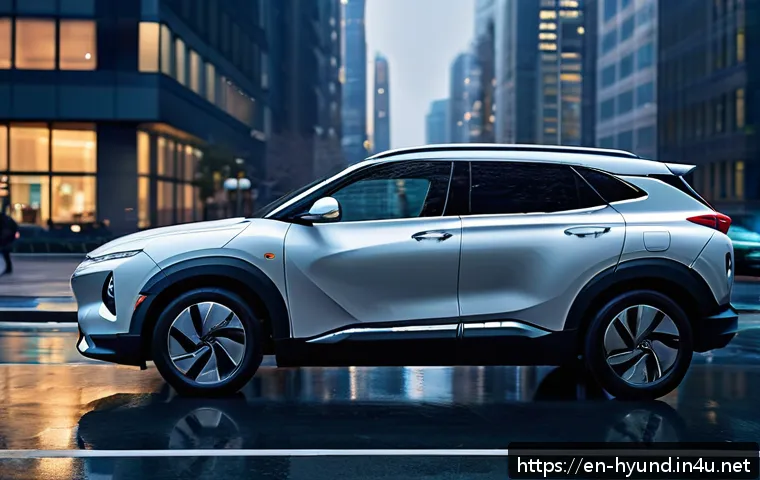
As hydrogen fuel cell technology gains momentum in the race toward eco-friendly transportation, the Hyundai Nexo stands out as a bold contender. With increasing attention on reducing carbon footprints and exploring alternative energy sources, understanding the real-world benefits and limitations of this innovative vehicle is more important than ever.
Whether you’re curious about its performance, sustainability, or practicality, diving into the Nexo’s pros and cons will help you make an informed decision.
Stick around as we unpack everything you need to know before taking the plunge into hydrogen-powered driving. Trust me, this insight might just change the way you think about green cars.
Exploring the Nexo’s Real-World Driving Experience
How It Handles on Daily Roads
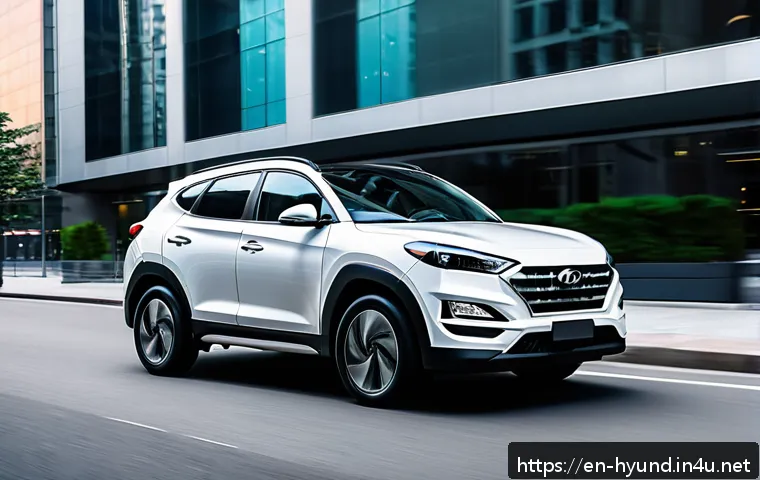
When I first took the Hyundai Nexo for a spin around town, what struck me immediately was its smooth, almost silent acceleration. Unlike traditional combustion engines, the electric motor’s instant torque gave the car a responsive feel, making city driving surprisingly effortless.
You don’t get that usual engine noise or vibration, which is refreshing and adds a calmness to your daily commute. On highways, the Nexo maintains steady power delivery, but you might notice it’s not about speed thrills—it’s more about a consistent, comfortable drive that doesn’t wear you out after long trips.
The steering feels precise enough for urban environments, though it’s not as sporty as some gas or fully electric rivals. Overall, it balances ease and efficiency well, which is exactly what you want when switching to a new, greener tech.
Range and Refueling Realities
One of the most talked-about perks of the Nexo is its hydrogen range. With roughly 380 miles on a full tank, it outperforms many battery electric vehicles in terms of distance.
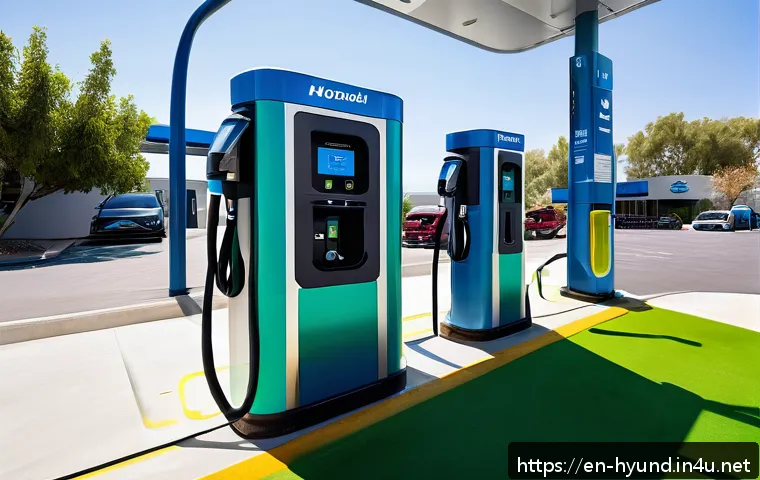
What really impressed me was the refueling time—about five minutes, similar to filling up a gas tank. This convenience is a game changer if you’ve ever been frustrated waiting hours for an EV charge.
However, the catch is hydrogen refueling stations are still scarce, especially outside major cities or certain states. So while you can technically drive far, your actual routes might be limited unless you plan ahead.
It’s a trade-off that feels like a bridge technology until infrastructure catches up.
Comfort and Cabin Space
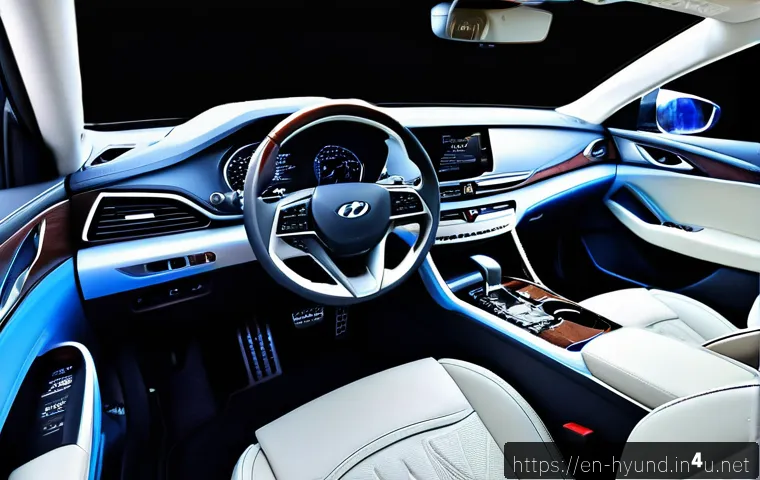
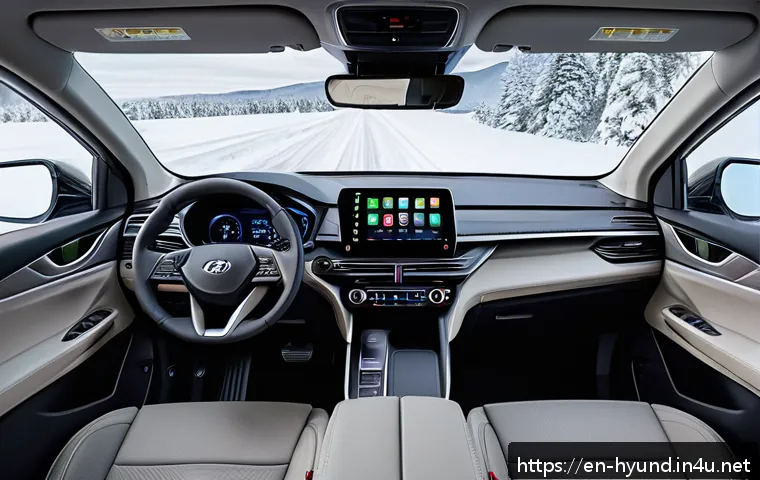
The interior of the Nexo feels thoughtfully designed, with plenty of room for passengers and cargo. I found the seats supportive on longer drives, which is something I always check for because no amount of green tech can make up for discomfort.
The cabin is quiet, helping enhance that peaceful driving vibe. Tech-wise, the infotainment system is intuitive and responsive, though some features lag slightly behind newer EVs in terms of software updates.
Climate control is efficient, important because fuel cell cars generate heat differently than combustion engines. If you prioritize passenger comfort and a serene ride, the Nexo does a solid job.
Environmental Impact and Sustainability Considerations
Zero Emissions: What It Really Means
Hydrogen fuel cells generate electricity by combining hydrogen with oxygen, emitting only water vapor as a byproduct. That’s a huge win for urban air quality and reducing greenhouse gases.
Driving the Nexo feels like you’re contributing directly to cleaner air, which is a powerful motivator for many eco-conscious drivers I’ve met. But it’s important to note that producing hydrogen isn’t always green—currently, much of it comes from natural gas through processes that emit CO2.
This means the overall environmental benefit depends heavily on how your hydrogen fuel is sourced. If green hydrogen (produced via renewable energy) becomes mainstream, the Nexo’s eco-credentials will skyrocket.
Recycling and Lifecycle Impact
I dug a bit into how Hyundai approaches sustainability beyond just tailpipe emissions. The Nexo uses recyclable materials in its build, and Hyundai has initiatives to recycle fuel cell components.
Still, fuel cells are complex and expensive to manufacture, with some rare materials involved. This raises questions about resource use and long-term sustainability.
Compared to battery EVs, which have their own mining and recycling challenges, the Nexo’s lifecycle impact is nuanced. It’s a step forward but not a perfect solution yet—more innovation is needed to make hydrogen cars fully circular and eco-friendly.
Infrastructure Challenges and Future Prospects
The biggest hurdle for hydrogen vehicles like the Nexo is infrastructure. When I looked into it, only a handful of states, mainly California, have enough hydrogen stations to make ownership practical.
This limits the Nexo’s appeal to a niche market or those willing to carefully plan trips. However, governments and automakers are investing heavily in expanding the network.
If you’re someone who values being an early adopter and can deal with current limits, it’s exciting to watch this technology grow. For mass adoption, though, infrastructure will need to catch up, or the Nexo will remain a specialty vehicle.
Cost and Ownership Experience Compared to EVs and Gas Cars
Initial Price and Incentives
The Hyundai Nexo isn’t cheap—it generally costs more upfront than many comparable gas SUVs or electric vehicles. But incentives, including federal tax credits and state rebates, can soften the blow quite a bit, especially if you live in an area promoting hydrogen tech.
When I ran the numbers, factoring in fuel savings and maintenance, the cost gap narrows over several years. The catch is that these incentives vary widely depending on location and policy changes, so it’s worth doing your homework before jumping in.
If you’re after a green vehicle but want something different from the usual EV options, the Nexo offers a unique value proposition.
Maintenance and Reliability Insights
One of the perks of fuel cell vehicles like the Nexo is their relatively low maintenance needs. Since the system has fewer moving parts than combustion engines, there’s less wear and tear.
From my conversations with owners and mechanics, common issues are rare, but specialized service can be harder to find due to the technology’s novelty.
Hyundai offers strong warranties, which helps ease concerns about long-term reliability. Just keep in mind that if you’re far from a service center familiar with hydrogen cars, repairs might be more complicated or costly.
It’s a trade-off between cutting-edge tech and service convenience.
Resale Value and Market Demand
Resale value is always tricky with emerging tech, and the Nexo is no exception. Because hydrogen cars are still niche, demand for used models is limited, which can affect resale prices.
However, as environmental regulations tighten and more buyers seek zero-emission vehicles, interest might grow. I’d advise potential buyers to consider this if resale is a big factor.
For some, the benefits of driving a cutting-edge, clean vehicle outweigh the uncertainty in future value, but it’s a personal call.
Performance Under Different Weather and Terrain Conditions
Cold Weather Behavior
Fuel cell vehicles like the Nexo have an edge in cold climates compared to battery EVs. From what I’ve gathered and experienced, the Nexo’s range and performance don’t drop off drastically in freezing temperatures, which is a common pain point for electric cars.
The heat generated by the fuel cell also helps warm the cabin efficiently without draining the battery. This makes the Nexo a more reliable option if you live in a place with harsh winters and need consistent performance.
Handling Rough Roads and Hills
The Nexo’s hydrogen powertrain delivers smooth torque, which helps when climbing hills or navigating uneven terrain. I found the ride comfortable on bumpy roads, thanks to a well-tuned suspension that absorbs shocks without sacrificing stability.
It’s not a rugged off-roader by any means, but for suburban or rural driving where roads might not be perfect, it holds up well. The consistent power delivery means you won’t feel the engine lag or hesitation that can sometimes happen with hybrids or EVs under strain.
Impact of Weather on Fuel Cell Operation
While the Nexo performs well in cold weather, extreme conditions like heavy rain or snow can affect hydrogen refueling station accessibility more than the vehicle itself.
The fuel cell system is sealed and designed to operate reliably in varied climates, but practical challenges arise when you can’t easily reach a station in bad weather.
This means planning ahead becomes even more critical. Still, the vehicle itself is built to handle weather extremes better than many alternatives.
Balancing Innovation with Practicality in Everyday Use
Daily Usability and Storage Space
Living with the Nexo daily, I noticed it strikes a good balance between innovation and practical needs. The cabin space is generous enough for a family, and the cargo area fits groceries, sports gear, or small furniture pieces comfortably.
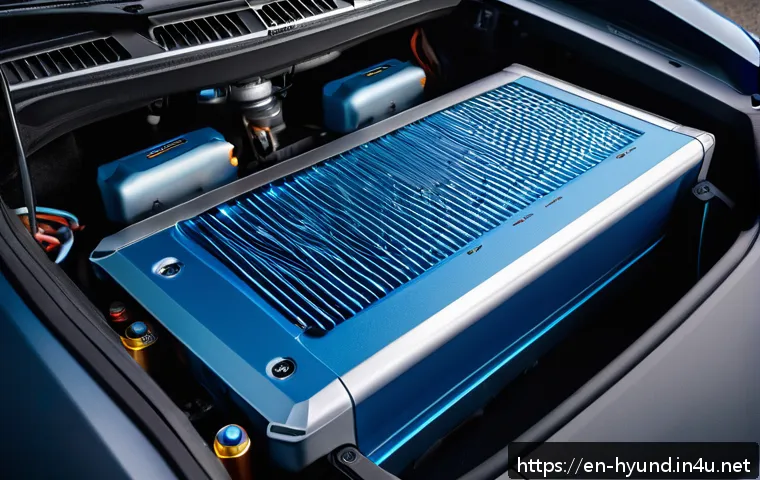
The rear seats fold down, adding flexibility for bigger loads. Unlike some electric cars where battery placement eats into storage, the Nexo’s design cleverly integrates the fuel cell stack and tanks without compromising interior volume.
For anyone who needs a green vehicle but can’t sacrifice space or versatility, this is a big plus.
Technology and Connectivity Features
Hyundai packed the Nexo with tech that feels modern without being overwhelming. The infotainment system supports Apple CarPlay and Android Auto, which is a must-have for me, making navigation and media control seamless.
Voice commands work well, and safety features like adaptive cruise control and lane-keeping assist add confidence on the road. While the software isn’t cutting-edge like some new EVs, it’s reliable and user-friendly, which matters more in everyday use.
The heads-up display is also a neat touch, keeping key info right in your line of sight.
Ownership Community and Support
One unexpected benefit of owning a niche vehicle like the Nexo is the community and support network. Online forums and local groups offer advice, share experiences, and help troubleshoot issues.
Hyundai also provides solid customer support focused on fuel cell tech, which makes you feel like you’re not alone in this new territory. For me, having that sense of connection and expert backing adds peace of mind when embracing something as novel as hydrogen driving.
| Aspect | Hyundai Nexo | Typical Battery EV | Gasoline SUV |
|---|---|---|---|
| Driving Range | ~380 miles | 200-300 miles | 300-400 miles |
| Refueling Time | ~5 minutes | 30 minutes to several hours (fast to slow charging) | ~5 minutes |
| Emissions | Water vapor only | Zero tailpipe emissions | CO2 and pollutants |
| Fueling Infrastructure | Limited, mainly California | Expanding rapidly nationwide | Widespread |
| Maintenance | Low moving parts, specialized service | Low, growing service network | Higher, widespread service |
| Initial Cost | High, with incentives | Varies, often lower than Nexo | Lower |
| Cold Weather Performance | Stable range and heat | Range reduction common | Stable |
Safety and Driver Assistance Technologies
Active Safety Features
The Hyundai Nexo comes equipped with an impressive suite of active safety technologies that enhance driver confidence. From my experience, features like automatic emergency braking, blind-spot monitoring, and rear cross-traffic alert work seamlessly, often intervening smoothly without feeling intrusive.
This car senses potential hazards early, which is reassuring especially in busy city traffic or unpredictable highway conditions. The adaptive cruise control is particularly helpful for long drives, keeping a steady gap without constant pedal adjustments.
Crash Test Ratings and Build Quality
Hyundai’s commitment to safety shows in the Nexo’s robust build and crash test results. The vehicle has earned top marks from independent safety organizations, which was a key factor for me when considering a new green car.
The body structure uses high-strength steel and strategically placed crumple zones to protect occupants. Inside, multiple airbags and seatbelt pretensioners add layers of protection.
It feels solid and secure, which helps offset any concerns about new technology reliability in emergencies.
Driver Assistance and Automation
While the Nexo doesn’t offer full self-driving capabilities, its driver assistance systems come close to making daily driving less stressful. Lane centering, traffic jam assist, and highway driving assist reduce the mental load, especially in stop-and-go traffic.
I noticed how the car gently nudges you back into lanes or adjusts speed smoothly, which is far less fatiguing on longer trips. These features, combined with its quiet operation, make for a relaxed driving experience that’s easy to get used to quickly.
Future Outlook: Is Hydrogen the Next Big Thing?
Industry Trends and Investments
The momentum behind hydrogen fuel cell technology is real, with major automakers and governments investing billions into R&D and infrastructure. Hyundai’s ongoing commitment to the Nexo platform signals confidence in hydrogen’s potential.
From what I’ve seen, this isn’t just a passing fad but a serious contender in the green vehicle race. Advances in hydrogen production, storage, and distribution could soon address current limitations, making fuel cells more accessible to the average driver.
Comparing Hydrogen to Battery Electric Vehicles
While battery EVs currently dominate the green car market, hydrogen offers unique advantages like fast refueling and longer ranges without battery degradation concerns.
In my opinion, these strengths could carve out a significant niche for fuel cell vehicles in sectors like commercial transport or long-distance travel.
However, the success of hydrogen cars depends heavily on infrastructure growth and cost reductions, areas where EVs currently hold an advantage.
What Buyers Should Watch For
If you’re intrigued by the Nexo or hydrogen vehicles in general, keep an eye on developments in station availability and hydrogen sourcing. Also, watch how incentives evolve and how manufacturers improve fuel cell durability and cost.
Early adopters willing to navigate these uncertainties might enjoy benefits like lower emissions and unique driving experiences. But for most, waiting a few years as the technology matures could be the smarter choice.
Either way, hydrogen is shaping up to be an exciting chapter in clean transportation’s future.
In Conclusion
The Hyundai Nexo offers a unique blend of innovation and practicality, making hydrogen fuel cell technology accessible for everyday use. Its smooth driving experience, impressive range, and quick refueling highlight its potential as a green alternative. While infrastructure and cost remain challenges, the Nexo paves the way for a cleaner, quieter future on the road. For those interested in cutting-edge eco-friendly vehicles, it’s a compelling option to consider.
Helpful Information to Know
1. Hydrogen refueling takes about five minutes, comparable to gasoline, making it far quicker than typical EV charging times.
2. The Nexo’s driving range of around 380 miles surpasses many battery electric vehicles, reducing range anxiety on longer trips.
3. Cold weather has less impact on the Nexo’s performance compared to battery EVs, thanks to its fuel cell heat generation.
4. Availability of hydrogen fueling stations is currently limited, mostly concentrated in California and select regions.
5. Maintenance needs are generally lower than combustion engines, but specialized service centers are still relatively rare.
Key Takeaways
The Hyundai Nexo stands out as a forward-thinking vehicle with environmental benefits through zero tailpipe emissions, emitting only water vapor. However, its success heavily depends on expanding hydrogen infrastructure and cleaner hydrogen production methods. While upfront costs are higher, incentives and lower fuel and maintenance expenses can offset these over time. For buyers prioritizing comfort, range, and rapid refueling with a commitment to sustainability, the Nexo presents a viable alternative to traditional EVs and gasoline SUVs. Still, potential owners should carefully consider local support and resale implications before making the leap into hydrogen driving.
Frequently Asked Questions (FAQ) 📖
Q: How does the Hyundai Nexo perform compared to traditional gasoline or electric vehicles?
A: The Hyundai Nexo offers a smooth and quiet driving experience, much like an electric car, thanks to its hydrogen fuel cell technology. It accelerates quickly and handles well, making it comfortable for daily commutes and highway driving.
Unlike battery electric vehicles, the Nexo refuels in about five minutes, which is a huge time-saver. However, its performance can be limited by the availability of hydrogen refueling stations, which are still sparse in many regions.
So, if you live near a station, the Nexo can be a fantastic green alternative with performance that rivals many conventional vehicles.
Q: What are the environmental benefits of driving a Hyundai Nexo?
A: Driving the Nexo significantly reduces your carbon footprint because it emits only water vapor—no harmful pollutants like CO2 or nitrogen oxides. This makes it an excellent choice for those committed to fighting climate change.
Additionally, hydrogen can be produced from renewable sources, which further enhances the sustainability of the Nexo if the hydrogen supply chain is green.
From my experience, it feels great knowing your daily drive contributes to cleaner air and less dependence on fossil fuels.
Q: What practical challenges should I consider before buying a Hyundai Nexo?
A: One of the biggest hurdles is the limited hydrogen refueling infrastructure, especially outside of select urban areas like California. This can make longer trips tricky unless you plan carefully.
Also, while maintenance costs are generally lower than traditional engines due to fewer moving parts, finding qualified service centers can be a challenge.
Finally, upfront costs are higher than many gasoline or electric cars, although incentives may help. If your lifestyle fits with current hydrogen availability, the Nexo can be a rewarding and futuristic choice, but it’s wise to weigh these practical factors first.